
Understanding why PPC is essential for Australian businesses starts with one simple fact. Your customers search Google before they choose. Pay per click puts you in front of them at that decisive moment, ahead of slower channels.
Key Takeaways
- PPC reaches Australian buyers exactly when they are searching to purchase.
- It delivers leads fast, unlike SEO which builds slowly over months.
- Tight local targeting suits Australia’s city and suburb based markets.
- Every dollar is measurable, so waste is easy to spot and cut.
- Budgets flex with demand, which helps through quiet and busy seasons.
Australian markets are competitive and concentrated in a handful of cities. That makes visibility at the point of search hugely valuable. Why PPC is essential for Australian businesses comes down to speed, control, and precise local reach.
This article explains the case in plain terms. It covers the numbers, the local advantages, and how to run a campaign that respects a small budget while still driving enquiries.
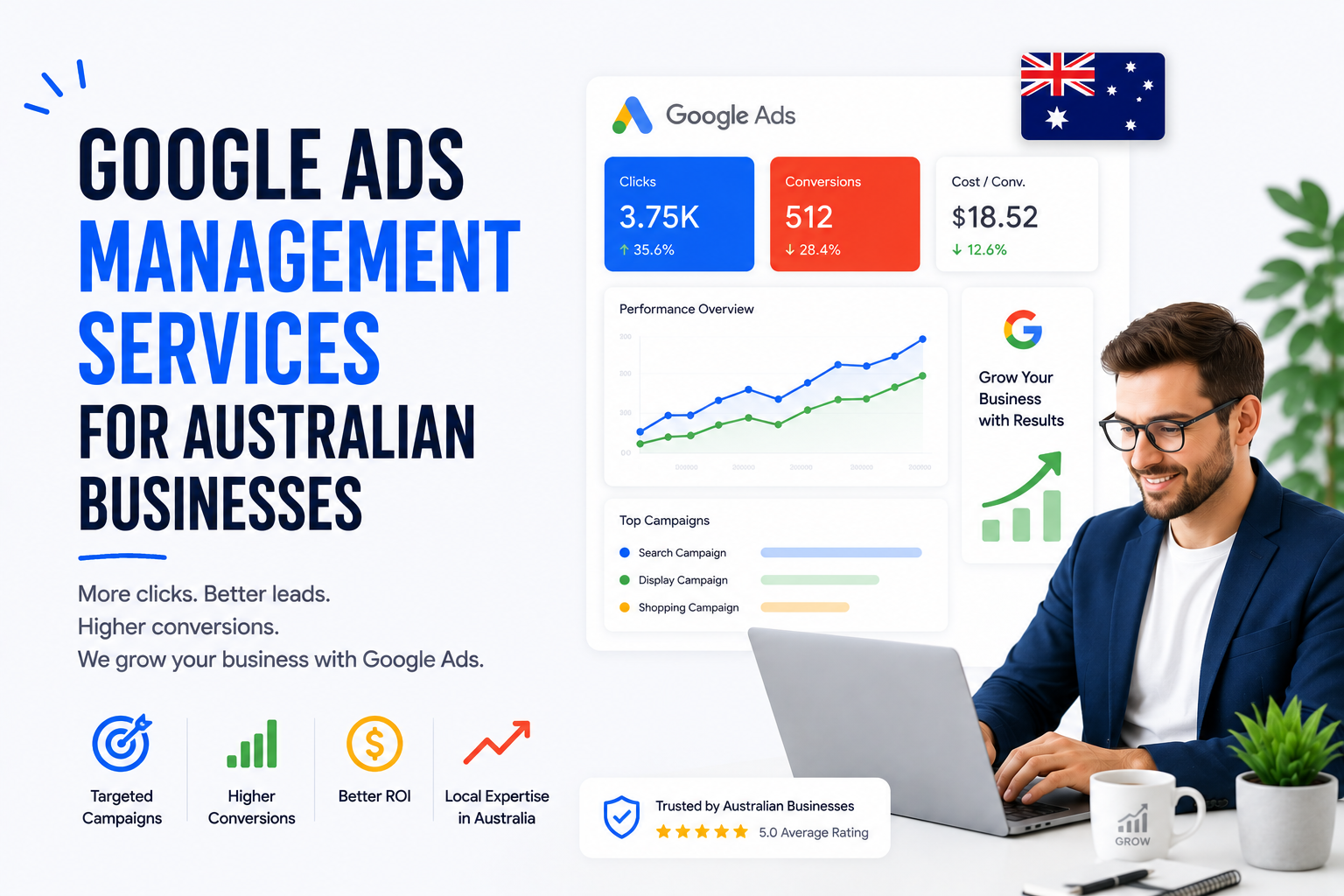
Curious whether PPC fits your business? Book a free, no obligation consultation and get a straight answer based on your market.
Why PPC Is Essential for Australian Businesses Today
Paid search is the biggest segment of digital advertising worldwide. It reached roughly 334.4 billion US dollars in 2025, according to Statista. Businesses invest at that scale because search intent converts.
Speed when you need customers now
A new business cannot wait months for organic rankings. PPC can put your ad on page one within days. That speed is vital when cash flow depends on a steady stream of enquiries.
Local reach that matches how Australians search
Most Australian buyers search with a suburb or city in mind. PPC lets you show ads only to people in your service area. You can even lift bids in your best postcodes and skip areas you cannot serve.
This local control is a natural fit for trades, clinics, and retailers. If you want a hand setting up geographic targeting, our Google Ads management team in Melbourne does this every day.
Measurable spend and honest returns
You can track every click, call, and sale. That means you always know your cost per lead. HubSpot reports businesses earn about 8 dollars for every 1.60 dollars spent on Google Ads on average.

PPC Channels Australian Businesses Can Use
PPC is more than one ad type. Each channel suits a different goal. The table below helps you match the format to what you are trying to achieve.
| Channel | Best For | Buyer Stage |
|---|---|---|
| Search Ads | Capturing active demand | Ready to buy |
| Shopping Ads | Selling products online | Comparing options |
| Display Ads | Building awareness | Early research |
| Remarketing | Winning back visitors | Considering again |
Swipe to scroll the table on mobile
Most Australian businesses start with search ads, then add remarketing. You can see how these fit a wider plan on our digital marketing blog.
Not sure which PPC channel fits your goals?
Get a tailored recommendation for your business, your budget, and your market before you commit any spend.
The Numbers Behind the Case
A strong argument needs evidence. These figures show why paid search keeps its place in so many marketing budgets across Australia and beyond.
the global search advertising market in 2025, the largest slice of digital spend, per Statista.
the average cost per click across industries, per HubSpot, though it varies widely by sector.
of brands say pay per click is a major driver of their business, according to HubSpot.
Figures from Statista and HubSpot. Australian costs and returns depend on your industry and how well the account is run.
Why Australian Conditions Favour PPC
Australia has a large land mass but a population clustered in a few cities. Buyers often want a local supplier they can reach quickly. That behaviour rewards businesses that appear first for local searches.
Seasonality you can ride
Many Australian sectors swing with the seasons. Retail peaks before the holidays. Trades get busy in summer. PPC lets you raise spend in your peak and pull back in the lull. You are never locked in.
Competing with bigger brands
A small firm cannot outspend a national chain everywhere. It does not need to. With a focused campaign built with an expert, a local business can win its own suburbs on relevance, not raw budget.

Does your business need PPC right now?
Tick each statement that matches your situation, then see where you stand.
Common PPC Mistakes That Waste Budget
Paid search is powerful, but it punishes a careless setup. Most wasted spend comes from a few avoidable errors. Knowing them upfront protects your money and your patience.
Sending clicks to a weak page
A great ad cannot fix a slow, confusing page. If visitors land and cannot see what to do, they leave. Each exit is a paid click lost. A fast, clear page with one obvious action protects your return.
Ignoring negative keywords
Without negatives, your ads show for searches that will never buy. You pay for those clicks anyway. A tidy negative list is one of the cheapest ways to lift efficiency. Review it every week as new terms appear.
Setting and forgetting
A campaign left alone drifts. Costs creep up and relevance slips. Paid search needs regular attention to stay sharp. A weekly check on search terms, bids, and results keeps performance on track and spend under control.
PPC as Part of a Balanced Plan
Paid search works best inside a wider strategy. On its own it drives enquiries. Combined with strong content and reviews, it compounds. Australian buyers often check ads, then read reviews, then visit your site before acting.
That journey means your ad is one step of several. A trusted brand converts more of the clicks it pays for. This is why PPC and reputation building support each other so well for local firms.
You can see this join up in real projects. Our PF Advisors case study shows how paid and organic efforts lift results together. The lesson is simple. Do not treat paid search as an island.
Making PPC Work on a Careful Budget
Essential does not mean expensive. A tight campaign can prove the model on a modest spend. The goal early on is learning, not scale. Once you know your cost per lead, growth becomes a simple decision.
Focus on high intent keywords
Bid on terms that signal a ready buyer. A phrase with a suburb and a service usually converts better than a broad word. Add negative keywords to stop wasted clicks. Small budgets need this discipline most.
Track the actions that matter
Measure calls, forms, and sales, not just clicks. Good tracking turns guesswork into decisions. Our web analytics service can set this up so every dollar is accountable.
Improve one thing each week
Refine an ad. Pause a weak keyword. Test a new headline. These small, steady changes add up. Over a few months, a careful account often lowers cost per lead while lifting volume, which is the point.
Businesses that treat PPC as a habit, not a one off, tend to see the strongest returns. It rewards patience and attention. The team at DigiFix reviews Australian accounts weekly and shares what genuinely moves results.
A simple first month plan
Keep month one lean and clear. Launch one search campaign around your best service. Point it at your core suburbs only. Send clicks to a single strong page. Turn on call and form tracking from day one.
Then watch the search terms report closely. Add negatives as junk terms appear. Lift bids where leads come cheaply. Trim where they do not. By the end of the month you will know your cost per lead and whether to scale.
This measured start avoids the two biggest traps, overspending and confusion. It gives you clean data and a calm way to grow. From there, expanding to new services or suburbs is a confident, evidence led choice rather than a gamble. Many Australian owners find that this steady rhythm builds trust in the numbers. Once the data is clear, decisions get faster and bolder, and the account keeps improving month after month.
See if PPC is right for your business
Claim a free, no obligation consultation. We will review your market, your goals, and your budget, then give you an honest view on whether pay per click makes sense for you.