

Australian customers judge a business by its website within seconds, and they rarely give second chances. Website optimisation services for Australian businesses turn underperforming sites into reliable growth channels by fixing the speed, visibility and conversion problems most owners never see.
Key Takeaways
- Optimisation is measurable improvement work on your existing site, and it usually beats a rebuild on both cost and speed of results.
- The BBC found it lost an additional 10% of users for every extra second of load time, a pattern that applies to businesses of every size.
- Google’s Mobify case study measured a 1.11% conversion lift for every 100 milliseconds of homepage speed improvement.
- Australian audiences browse mobile-first across large distances and mixed network quality, which makes performance work even more valuable here.
- A 90-day roadmap with a clear baseline is the most reliable way to start, because it proves value before you commit long term.
This guide explains what website optimisation services for Australian businesses include, how the work is structured, and what separates providers who deliver from providers who just report. It is written for decision makers, so every concept is in plain language with the jargon left out.
The core idea is simple. You already paid for your website and you already pay for traffic. Optimisation makes both investments work harder without starting over.
Curious how much performance your site is giving away?
A brief consultation can benchmark your site against competitors and show you the gap in plain numbers.
Why Australian Businesses Are Investing in Optimisation
The economics of web performance are unusually well documented. Google’s web.dev research reports that the BBC lost an additional 10% of users for every extra second its site took to load. The same body of research found Mobify gained a 1.11% conversion lift for every 100 milliseconds of homepage speed improvement.
Those numbers come from large organisations, but the behaviour behind them is universal. People leave slow sites. They distrust clunky ones. They buy from the competitor whose site simply worked.
Australia adds its own pressure. Customers browse from capital cities on fast connections and from regional areas on patchy ones, mostly on phones. A site optimised only for office broadband quietly fails a large share of the national audience.

What Website Optimisation Services for Australian Businesses Cover
A complete service works across four fronts at once. Each one feeds the others.
Performance and Reliability
Image compression, caching, code cleanup and hosting tuning bring load times down. The target is a site that feels instant on a phone anywhere in the country. This work also reduces outages and errors, which protects revenue directly.
Search Visibility Nationwide
Technical SEO fixes crawl errors, duplicate content and broken links. On-page work aligns titles, headings and content with what Australian customers search for. Businesses serving multiple cities need location structure done properly, one clean page per market rather than thin copies.
User Experience and Conversion
Clear calls to action, simpler forms, stronger trust signals and better mobile layouts all lift the share of visitors who enquire or buy. This is where optimisation stops being technical and starts being commercial.
Measurement and Reporting
Every change should be tied to a number. Load time, rankings, enquiries, sales. Honest monthly reporting keeps the program accountable and tells you exactly what your spend is producing.
If you would rather skip the theory and talk about your own site, you can book a short strategy conversation and get direct answers.
Optimisation Service Tiers Compared
Most providers offer some version of these three tiers. The right one depends on how central your website is to revenue.
| Tier | What It Includes | Best Suited To | Commitment |
|---|---|---|---|
| Audit and fix | One-off review plus priority repairs | Testing the waters | Single project |
| Ongoing optimisation | Monthly speed, technical and SEO work | Service businesses with steady leads | Monthly |
| Growth program | Optimisation plus conversion testing and content | E-commerce and national brands | Quarterly planning |
Swipe to scroll the table on mobile.
How Healthy Is Your Website Right Now?
Tick every statement that sounds like your business, then see where you stand.
Score suggesting room to improve?
Most of these problems have well-understood fixes. A consultation will rank them by payoff so you invest in the right order.
A Practical 90-Day Optimisation Roadmap
Ninety days is enough time to prove whether optimisation is working for your business. A sensible roadmap looks like this.
Days 1 to 30
Baseline everything, then fix speed and critical technical errors on your highest value pages.
Days 31 to 60
Optimise on-page SEO and content structure, then tidy conversion paths and forms.
Days 61 to 90
Compare results against the baseline, lock in the gains and plan the next quarter from evidence.
Three phases, one honest scoreboard. That structure keeps everyone focused on outcomes rather than activity.
Choosing the Right Partner Anywhere in Australia
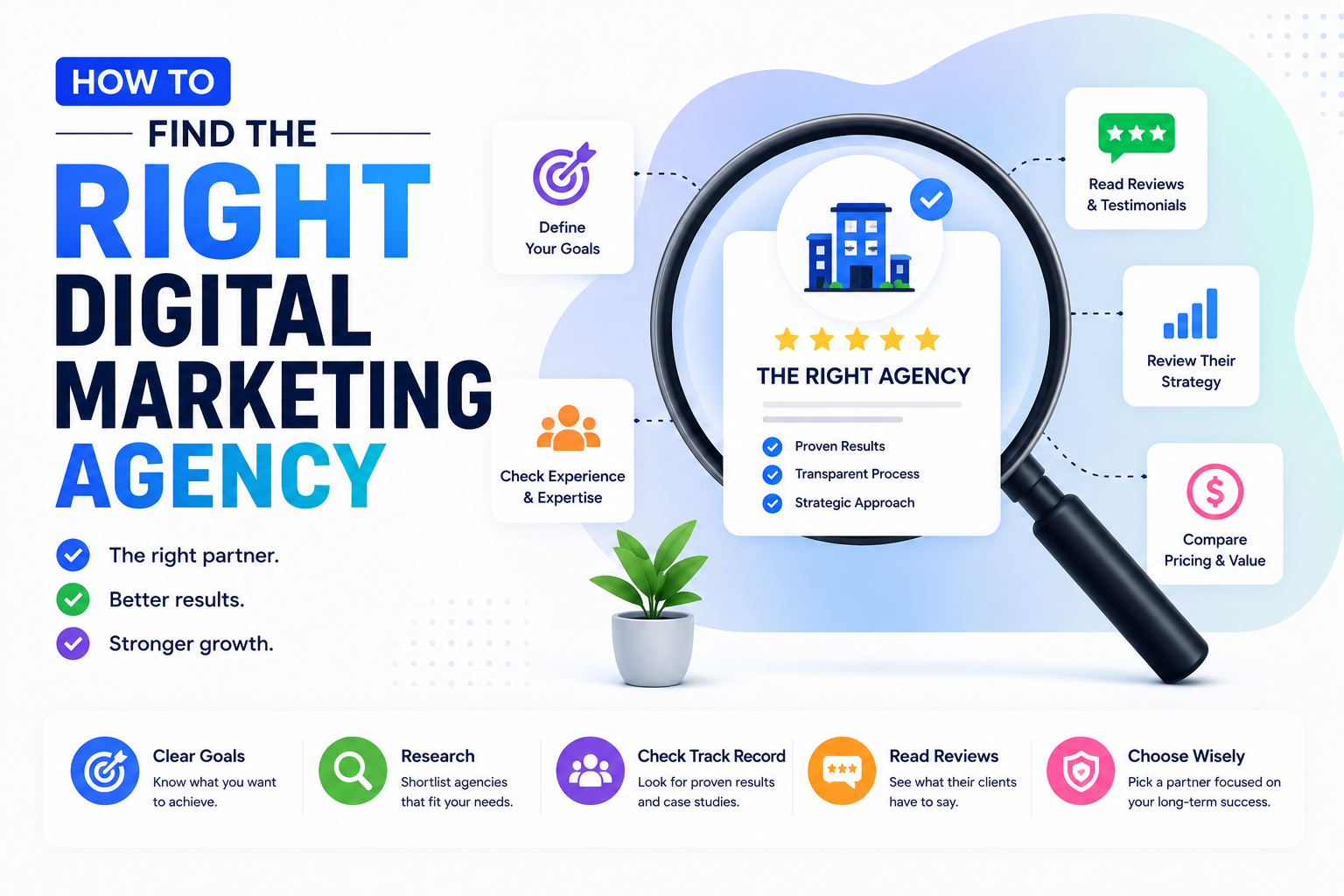
Optimisation work happens remotely, so your provider does not need to be in your suburb. What matters is evidence and communication. Ask to see before and after numbers from real clients. Ask who does the work, in-house staff or outsourced contractors. Ask how they report and how often.
Transparency is a good filter. Agencies that publish their thinking are easier to evaluate than those that publish only sales pages. DigiFix, for example, maintains detailed guides on topics like website support services for Australian businesses, so you can judge the depth of their approach before ever speaking to them.
Breadth counts as well. Optimisation touches web development, SEO and conversion strategy together. A partner offering full digital marketing services can join those threads instead of handing you between three separate suppliers.
Mistakes That Undermine Optimisation Programs
The first mistake is skipping the baseline. Without starting numbers, nobody can prove anything worked. Insist on a documented benchmark before the first change is made.
The second mistake is spreading effort evenly across every page. Traffic and revenue concentrate on a handful of pages. Optimise those first and the returns arrive months earlier.
The third mistake is treating optimisation as a one-time project. Competitors improve, Google’s expectations rise and your own site accumulates clutter. The businesses that hold top positions treat optimisation as routine, the same way they treat bookkeeping. The DigiFix web development blog is a solid free way to stay across what needs attention.
Optimisation for E-Commerce and Multi-Location Operators
Online stores feel optimisation gains faster than any other business type. Every fraction of a second saved at checkout, every simplified product filter and every fixed mobile layout shows up in the sales report within weeks. Cart abandonment is where most Australian stores leak revenue, and it responds directly to speed and form improvements.
Multi-location businesses face a different challenge. Each city or region needs its own well-built page with genuine local content, not a template with the suburb name swapped out. Search engines reward the first approach and quietly ignore the second. Getting this structure right is often the single biggest visibility win available to a national operator.
Both situations also raise the stakes on measurement. With more pages and more markets, gut feel stops working. Clean analytics that show performance per location or per product category become the steering wheel for the whole program.
Questions to Ask Before You Sign
Five questions will reveal more than any sales deck. What will you measure and how often will I see it? Which pages will you work on first and why? What did you achieve for a business like mine, with numbers? Who owns the accounts, access and any content you create? What happens if we stop working together?
Good providers answer all five without hesitation, and the last two matter most. You should always own your website, your analytics and your content outright. Any arrangement where cancelling the service means losing your assets is a trap dressed as a package.
What Success Looks Like After Six Months
A well-run program produces a recognisable pattern. Load times drop early and stay down. Rankings climb gradually from month two or three as search engines digest the improvements. Enquiries and sales follow, because more visitors arrive and more of them convert.
Just as important, problems stop surprising you. Broken forms get caught quickly. Slow pages get flagged before customers complain. The website stops being a source of quiet anxiety and becomes an asset you can plan around.
There is a cultural change too. Once a team sees the monthly numbers moving, website decisions start being made from evidence rather than opinion. Meetings get shorter, arguments get rarer and budgets get easier to justify. That shift alone repays the program for many businesses.
Website optimisation services for Australian businesses are ultimately about compounding. Small, measured improvements, made consistently, add up to a site that outperforms competitors who rebuilt once and walked away.
Ready to make your website earn its keep?
Book a consultation and get a prioritised optimisation plan built around your site, your market and your goals. The consult is free and there is no obligation to continue.