

If you own a mid-sized business in Australia, you might be stuck between organic search optimisation and paid advertising. These are big choices for your digital marketing.
Choosing between them can be tough. They work in different ways and have their own good points.
We want to help you make a smart choice. We’ll look closely at both strategies. This way, you can grow your business in a meaningful way.
Knowing the strong and weak sides of each helps. It lets you spend your marketing money wisely.
Key Takeaways
- It’s key to know the difference between organic and paid search for good digital marketing.
- Think about your goals, budget, and who you want to reach when picking a strategy.
- Making a smart choice can boost your online presence and get more customers.
- Both organic and paid search have their own ups and downs.
- Using a mix of both might be the best way to get the most from your online marketing.
The Digital Marketing Landscape in Australia
Australian businesses must keep up with the digital world’s fast changes. The digital marketing scene in Australia is always moving. This is because of new tech and how people act online.
Current Online Marketing Trends in Australia
Digital marketing in Australia is growing fast. There’s a big push for being seen online. Some big trends are:
- More people using mobiles for searching and buying online
- Social media is becoming more important in marketing
- Voice search is getting bigger and changing SEO
- Quality and relevant content is more important than ever
Digital visibility is key in this fast world. Businesses must think about how these trends affect their plans.
The Critical Importance of Digital Visibility
Having a strong online presence is now a must. Digital visibility helps businesses get and keep customers. To do this, they need to:
- Make their website easy for search engines to find
- Create content that grabs people’s attention
- Use social media well
By knowing the digital marketing world and focusing on being seen online, Australian businesses can succeed. They can stand out in a busy online space.
What is SEO? A Comprehensive Overview
Businesses need to know about SEO to be seen online. Search Engine Optimisation (SEO) helps them show up more in search results.
Core Components of Search Engine Optimisation
SEO has three main parts: keyword research, on-page optimisation, and link building. These help make a website better and more visible online.
How Organic Search Rankings Work
Search engines use special rules to rank websites. They look at content quality, mobile-friendliness, and page loading speed. For more info, check here.
Key SEO Metrics for Australian Businesses
Australian businesses should watch organic traffic, keyword rankings, and conversion rates. These show how well their SEO is working. Here’s a table with important metrics:
| Metric | Description | Importance |
|---|---|---|
| Organic Traffic | The number of visitors arriving via search engines | High |
| Keyword Rankings | The position of a website for specific keywords | High |
| Conversion Rates | The percentage of visitors completing a desired action | High |
“SEO is not just about search engines; it’s about understanding what your customers are searching for and creating content that answers their needs.”
By using SEO well, Australian businesses can get more online visitors. This helps them meet their digital marketing goals.
What is PPC? Breaking Down Paid Search
For businesses wanting to get more traffic fast, PPC ads are a good choice. But what is PPC, and why is it great for Aussie businesses?
How Pay-Per-Click Advertising Functions
PPC ads show up on search engines and online sites. Businesses bid on keywords that match their products or services. Their ads appear when users search for those keywords. The business only pays when someone clicks on their ad.
Major PPC Platforms in the Australian Market
In Australia, many PPC platforms are used by businesses. Google Ads is the top choice because Google is so big in search. Facebook Ads and LinkedIn Ads are also popular. They help target ads to the right people.
Essential PPC Metrics and KPIs
To see if a PPC campaign works, businesses track important numbers. They look at click-through rate (CTR) and conversion rate. These show how many people click and act on ads. Cost per click (CPC) and return on ad spend (ROAS) are also key.
By focusing on these numbers, Aussie businesses can make their PPC ads better. This helps them get more value from their ads.
SEO vs PPC: The Fundamental Differences
Businesses need to know the difference between SEO and PPC. This choice affects their online presence and success. It’s key for making smart marketing decisions.
Traffic Acquisition Methods Compared
SEO and PPC get traffic in different ways. SEO makes websites rank higher in search results for free. PPC, on the other hand, uses paid ads to get clicks.
Here’s a table comparing these methods:
| Criteria | SEO | PPC |
|---|---|---|
| Traffic Source | Organic search results | Paid advertisements |
| Cost | Generally lower ongoing costs | Direct cost per click |
| Speed of Results | Long-term strategy | Immediate visibility |
Control and Flexibility Factors
PPC gives businesses quick control over ads. They can change ads and budgets fast. SEO takes longer to see results and is affected by search engines.
Key differences in control and flexibility include:
- Ad customisation: PPC lets you change ads quickly.
- Budget control: PPC budgets can change daily, SEO is long-term.
Visibility Patterns and Predictability
SEO and PPC have different visibility patterns. SEO aims for lasting visibility through rankings. PPC offers quick visibility with paid ads. Knowing these patterns helps plan online presence.
Understanding SEO and PPC differences helps businesses choose better. This choice boosts their online presence and growth.
Case Study Methodology: Our Comparison Approach
We looked closely at SEO and PPC. We made sure to study both well.
Research Parameters and Business Profiles
We picked businesses from different fields in Australia. They all had a web presence. We checked their website visitors, how many people bought from them, and their rankings in search results.
| Industry | Business Size | Primary Marketing Goal |
|---|---|---|
| E-commerce | Small | Increase Sales |
| Service-Based | Medium | Generate Leads |
| B2B | Large | Brand Awareness |
Measurement Tools and Tracking Methods
We used Google Analytics for website traffic. SEMrush helped us track SEO and PPC. It showed us how well keywords worked, how many people clicked, and how many bought.
Timeline and Data Collection Process
We collected data for six months. This let us see how SEO and PPC did over time.
Our method helped us see how SEO and PPC compare. It gave us useful info for businesses in Australia.
Initial Investment: Cost Comparison Between SEO and PPC
For Australian businesses, knowing the cost of SEO and PPC is key. These costs change based on the business size, goals, and market competition.
SEO Setup and Ongoing Costs in Australia
SEO setup costs can be from a few hundred to thousands of dollars. This depends on the website’s complexity and the needed optimisation. Ongoing costs include making content, building links, and monthly reports. These can be £500 to £5,000 per month, based on the project’s size.
PPC Campaign Setup and Budget Requirements
PPC setup costs are usually lower, from £500 to £2,000. This covers keyword research, ad creation, and the first campaign setup. But, ongoing costs depend on the ad budget. This can change a lot based on the industry and goals.
Cost-Benefit Analysis for Different Business Sizes
Small businesses might find SEO more cost-effective for long-term traffic. Medium to large businesses might use both SEO and PPC. This gives quick PPC visibility and builds organic presence over time.
Businesses should think about their needs, budget, and growth goals when choosing between SEO and PPC. Knowing the costs helps make choices that fit their digital marketing plans.
Time to Results: Speed Comparison
Businesses often wonder how long it takes to see results from digital marketing. Knowing this is key when choosing between SEO and PPC. We’ll look at the times for both, helping you plan your digital marketing.
SEO Timeline: The Long-Term Strategy
SEO is a long-term plan that needs patience. It usually takes months to see big results. You need to optimize your site, make great content, and get backlinks, all of which take time.
The first 3-6 months are important for setting up your SEO. You might see small improvements in your site’s visibility and rankings. But, it can take a year or more for big, lasting results.
PPC Timeline: Immediate Visibility Benefits
PPC, on the other hand, gives quick results. Your ads can show up in search results fast. This quick start is a big plus of PPC, helping businesses get traffic and leads fast.
How fast you see PPC results depends on your budget, competition, and ad quality. You can see first results in a few days to a week after starting your campaign.
Real-World Timeline Case Examples
Let’s look at a real example. An e-commerce business in Australia saw big organic traffic growth with SEO in about 6 months. Their PPC campaign, though, started getting leads in just the first week.
| Marketing Strategy | Initial Results | Significant Results |
|---|---|---|
| SEO | 3-6 months | 6-12 months |
| PPC | 1-7 days | 1-3 months |
The table shows SEO takes longer but offers lasting results. PPC gives quick visibility and can change fast based on how it does.
ROI Analysis: Which Delivers Better Returns?
In Australia, knowing the ROI of SEO and PPC is key for businesses. We look at the ROI of these two to help businesses decide.
Comparing SEO and PPC’s ROI in the short and long term is important. We also look at how different industries do. Both SEO and PPC can bring big returns, but it depends on the industry and business type.
Short-term ROI Comparison Data
PPC usually gives faster results than SEO. PPC campaigns can start working fast, bringing in traffic and leads in days. A study by Improvado shows PPC can boost conversions by up to 20% in a month.
SEO, on the other hand, takes longer to show results. But once it starts, it keeps bringing in organic traffic. We’ll look at this more in our long-term ROI analysis.
Long-term ROI Projection Models
For long-term ROI, SEO often beats PPC. SEO can keep bringing in traffic and leads for years without the costs of PPC. HubSpot found SEO can increase lead generation by up to 50% in a year.
Our study shows SEO can give a higher ROI over time. This makes SEO a great long-term choice for Australian businesses.
Industry-Specific ROI Variations in Australia
Different industries see different results with SEO and PPC. Let’s look at some specific data points.
E-commerce ROI Data Points
- E-commerce sees better ROI from PPC because of the competitive product ads.
- SEO works well for e-commerce, too, for businesses with a good product catalogue and listings.
Service Business ROI Metrics
- Service businesses get more from SEO, helping them become authorities and attract serious leads.
- PPC is also good for service businesses, mainly for high-demand services.
In conclusion, both SEO and PPC are good for Australian businesses. But, the best choice depends on the industry, goals, and time frame. Knowing the ROI helps businesses make smart digital marketing choices.
Traffic Quality: Visitor Engagement Metrics Compared
Traffic quality is key for SEO and PPC. It affects how well people engage with your site. It’s important to see how these strategies change visitor behaviour.
Bounce Rates and Time on Site Analysis
Bounce rate shows how well traffic is. SEO traffic usually has lower bounce rates than PPC. This is because SEO users are looking for specific content, leading to more engagement.
A study showed organic search visitors stayed for 4 minutes. PPC visitors stayed for about 2 minutes.
Time on site is also important. SEO users tend to look at more pages. This shows they are more interested in what you offer. PPC users might just want to buy something right away.
Conversion Rate Comparison by Channel
Conversion rates tell us how good the traffic is. PPC can get quick sales, but SEO leads to more lasting sales. Recent data shows SEO has a 4.5% conversion rate, while PPC has 3.5%.
Conversion rates change based on the industry and audience. For example, e-commerce might see more PPC sales. But service-based businesses might do better with SEO.
Customer Journey and Buying Intent Patterns
Knowing the customer journey is key. SEO attracts users at different stages, from research to buying. PPC targets users ready to buy now.
As “The quality of traffic is not just about the number of visitors, but about the relevance and engagement of those visitors.” By studying these patterns, businesses can choose the best mix of SEO and PPC. This helps them get more online sales.
Scalability and Growth Comparison
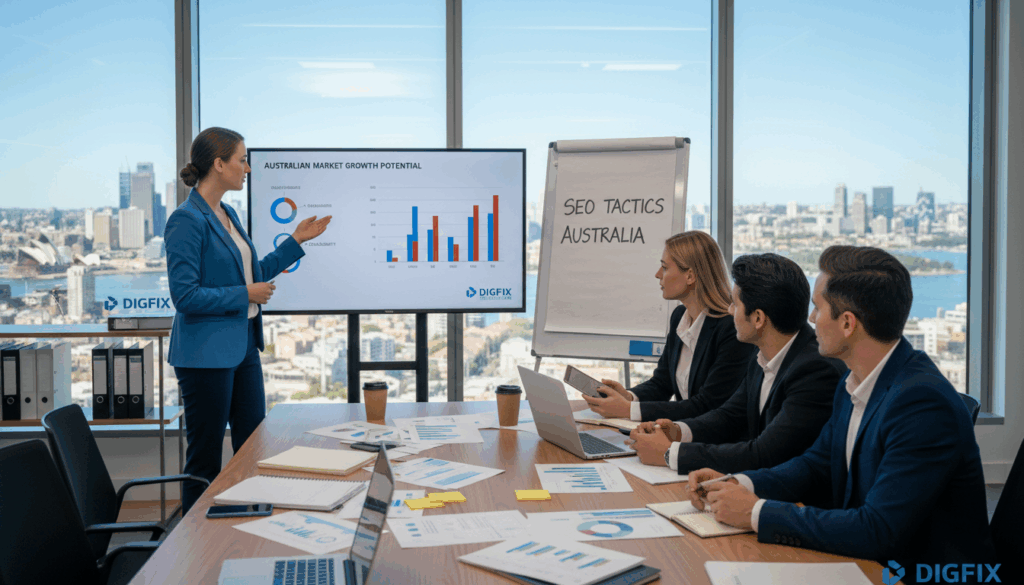
Understanding scalability and growth in digital marketing is key for Australian businesses. We need to see how SEO and PPC can grow with our business.
Scaling Organic Search Presence in Australian Markets
Scaling SEO means making great content that people want to read. We use long-tail keywords, technical tweaks, and link building. A study on SEO vs PPC in SaaS shows SEO’s role in lasting visibility.
Scaling PPC Campaigns Effectively
PPC grows by using targeted ads, improving ad text, and smart bidding. We watch how our ads do to use our budget well. This boosts our online presence and sales.
Growth Limitations and Ceiling Effects
SEO and PPC both have growth limits. SEO faces competition and algorithm changes. PPC is bound by budget and ad ranking. Knowing these limits helps us plan better.
By looking at SEO and PPC’s growth, we make smart digital marketing choices. A mix of both can help Australian businesses grow online.
Brand Authority Development: Channel Impact
Building brand authority is key for businesses in Australia. SEO and PPC help a lot. They boost brand credibility and recognition.
SEO’s Effect on Brand Credibility
SEO makes your site more visible in search results. This makes people trust your brand more. By making your site better, you show you know your stuff.
PPC’s Influence on Brand Recognition
PPC ads get your brand seen fast. They help people know who you are. By picking the right people to see your ads, you grow your brand.
Measuring Brand Impact in the Australian Context
To see how SEO and PPC help your brand, look at rankings, clicks, and sales.
Knowing how SEO and PPC help your brand lets you improve your marketing. This makes your brand stronger and more trusted in Australia.
Competitive Analysis: Breaking Through in High-Competition Markets
In Australia’s competitive markets, businesses must find unique ways to stand out. They need to understand their rivals well to succeed.
Strategies for Competitive Australian Industries
To shine in crowded markets, businesses must know their rivals well. They should look at what their competitors are good at and what they’re not. Using data analytics helps a lot.
Good strategies include:
- Spotting special areas in the market
- Creating unique offers
- Running focused marketing campaigns
Competitive Advantage Development
Having a strong edge is vital for lasting success. This can be done by:
- Improving what you offer
- Enhancing customer service
- Building a strong brand
Michael Porter says, “The essence of strategy is choosing what not to do.” Focus on what you’re best at and be different.
“The greatest danger in trying to be something to everybody is that you end up being nothing to anyone.”
Case Examples from Saturated Markets
Here are some examples from Australia’s crowded markets:
| Industry | Strategy Implemented | Outcome |
|---|---|---|
| E-commerce | Targeted social media campaigns | 25% increase in sales |
| Financial Services | Niche market positioning | 30% growth in customer base |
| Retail | Enhanced customer experience | 20% improvement in customer retention |
These examples show that with smart strategies, businesses can succeed in tough markets.
Industry-Specific Findings: Channel Performance by Sector
SEO and PPC work differently in various sectors. Knowing these differences is key for businesses to grow online.
E-commerce: SEO vs PPC Performance Data
In e-commerce, SEO brings long-term gains. It helps keep customers coming back. But, PPC is great for quick sales boosts and promotions.
SEO can cut down on getting new customers’ costs over time. PPC, on the other hand, can bring in lots of sales during busy times.
Service-Based Businesses: Channel Effectiveness
Service businesses do well with both SEO and PPC. PPC targets ads to people looking for their services.
For example, a law firm uses SEO to show they’re experts. PPC helps them reach people searching for “divorce lawyer.”
B2B Companies: Lead Generation Comparison
B2B companies find SEO better for getting leads. It builds trust through content. PPC is good for quick product launches, but SEO is more cost-effective in the long run.
A B2B software company might create detailed content. This improves their search rankings and attracts quality leads.
Local Australian Businesses: Geo-Targeted Results
Local Australian businesses need geo-targeted SEO and PPC. SEO helps them show up in local searches. PPC targets specific areas with ads.
A Sydney café might rank high for “best coffee in Sydney” with SEO. PPC helps them reach locals and tourists with special deals.
Hybrid Approach: Combining SEO and PPC Strategically
Companies can see more online by mixing SEO and PPC. This mix makes their online presence stronger. It helps them reach more people and goals.
Synergy Benefits of Integrated Campaigns
SEO and PPC together make marketing better. PPC brings quick traffic. SEO boosts organic rankings. This mix helps test and improve keywords and ads.
The good things about combining them are:
- More people see your site through different ways
- Keyword research gets better
- Brand trust grows
- More money saved with both efforts
Resource Allocation Frameworks
It’s key to use resources well in a hybrid plan. You need to split your budget, time, and team right. A good plan makes sure both SEO and PPC work well together.
Things to think about are:
- How to split your budget
- When to run and check campaigns
- Who knows SEO and PPC best
Australian Case Study: Successful Integration
A Melbourne shop mixed SEO and PPC and saw big gains. They got a 30% boost in online sales in six months. They made product pages better for SEO and used PPC for quick sales.
Decision Framework: Choosing the Right Strategy
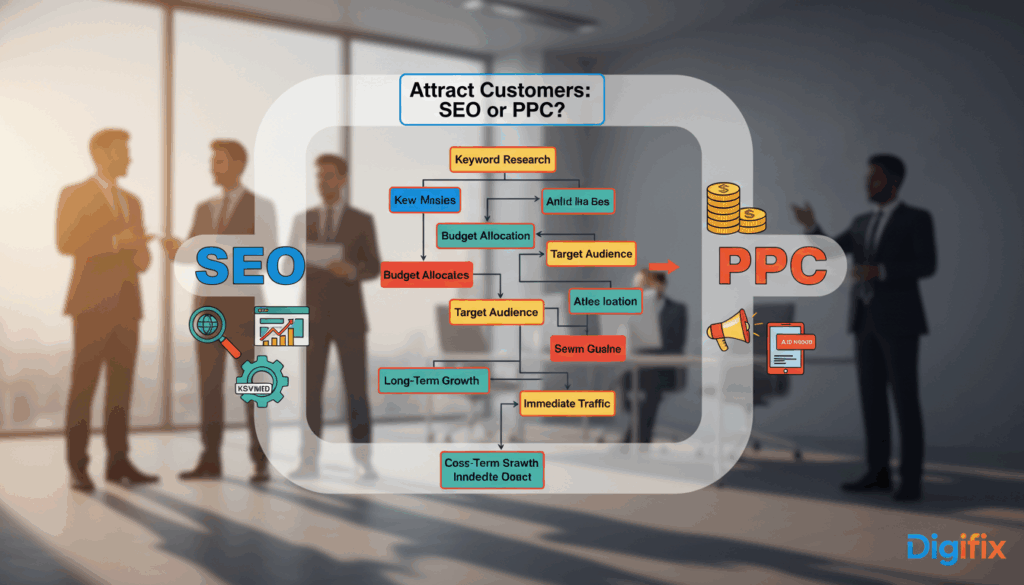
Choosing between SEO and PPC is important for Australian businesses. They need to think about what they need and what they can do.
Business Type Assessment Guide
Every business is different. E-commerce sites might need both SEO and PPC. But service-based businesses might prefer one over the other. Knowing your business is key to picking the right strategy.
Digital marketing expert says, “Your choice depends on your goals, who you want to reach, and what you’re already doing.”
“A good digital marketing plan can really help your online presence and profits.”
Budget Consideration Factors
Money matters when choosing SEO or PPC. SEO needs money for content and optimization at first. But PPC costs money every time you run an ad. You need to think about how much you can spend.
- Initial setup costs
- Ongoing maintenance expenses
- Potential return on investment (ROI)
Timeline Requirements Analysis
Time is important too. SEO takes time to work well. But PPC can show results fast. This is good for businesses that need to be seen quickly.
Growth Objectives Alignment
Businesses should pick a strategy that fits their goals. Whether it’s to get more people to know your brand, visit your site, or get leads. It’s important to check and change your strategy as your goals change.
By thinking about these things, Australian businesses can pick the best choice between SEO and PPC. Or they might use both for even better results.
Conclusion: Making the Strategic Choice Between SEO and PPC
We’ve looked at SEO and PPC, two big digital marketing tools. They can really help your business online. Each has its own good points and not-so-good points.
SEO is great for growing your business over time. PPC is better for quick visibility, like for new products. What’s best for you depends on your goals, money, and how fast you need results.
Knowing the differences between SEO and PPC helps you make a smart choice. You might pick one, or use both. The most important thing is to have a plan that works well for your business in Australia.