

Running a small business in Melbourne means competing with bigger budgets every single day. Your website is one place where you can genuinely level the playing field. Responsive website design solutions for small businesses make that possible without enterprise-sized spending.
Key Takeaways
- Small businesses gain the most from responsive design because local customers overwhelmingly search on their phones.
- A responsive site removes the need to maintain separate desktop and mobile versions, saving money over time.
- Page speed directly affects sales. Most mobile visitors leave sites that take longer than three seconds to load.
- Smart scoping keeps costs manageable. A focused five-page site done well beats a sprawling site done poorly.
- Ownership matters. Small businesses should always retain control of their domain, content and website files.
Responsive website design solutions for small businesses are about working smarter, not spending bigger. One well-built site serves every customer, on every device, around the clock. This guide covers what small Melbourne businesses actually need, what they can skip, and how to get real value from a design project.
Not sure what your small business website really needs?
Twenty minutes of honest advice can save you months of second-guessing.
Why Small Melbourne Businesses Need Responsive Design Most
Large companies can absorb a few lost customers. Small businesses cannot. When a local customer lands on a broken mobile page, they simply tap back and choose the next option on Google.
The behaviour data is clear. Mobile devices generate around half of all website traffic globally, as reported by Statista. For local searches with buying intent, phones dominate even more heavily.
Speed compounds the effect. Google’s research on web.dev shows 53 percent of mobile visitors abandon pages that take more than three seconds to load. A slow site quietly filters out half your potential customers before they read a word.
What a Small Business Website Actually Needs
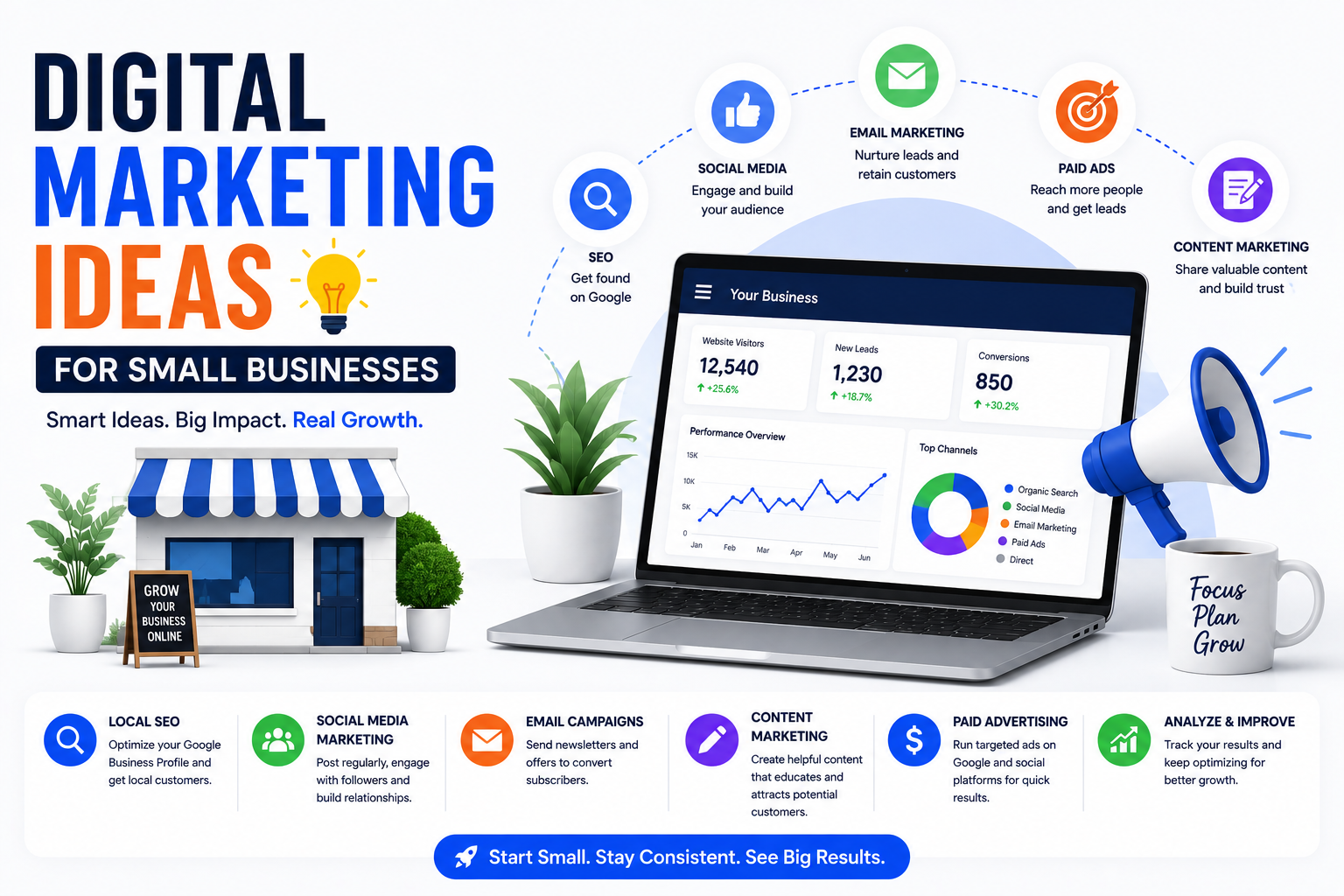
Small business sites succeed through focus. You do not need forty pages. You need a handful of pages that answer real customer questions and make contact effortless.
Start with a clear home page, a services or products page, an about page and a contact page. Add a reviews or gallery page if your work is visual. Every page should load fast and guide visitors towards one obvious action.
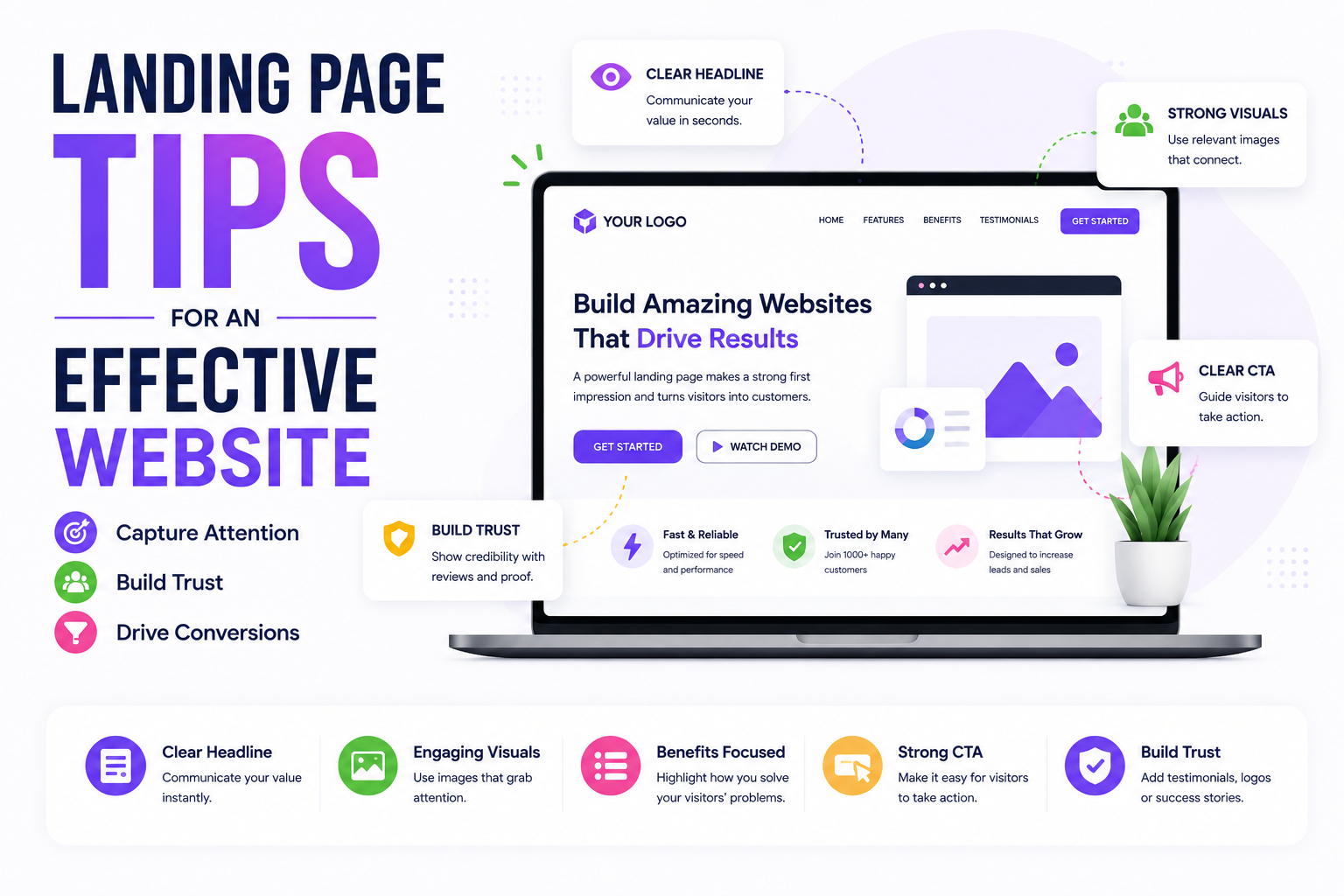
Write for a distracted reader on a small screen. Short sentences, clear headings and generous spacing all help. Lead each page with the answer customers came for, then support it with detail below. This structure works beautifully on phones and reads just as well on desktops.
Features that earn their place
Click-to-call buttons convert urgent searches into phone calls instantly. Embedded maps help walk-in customers find you. Simple booking tools capture appointments after hours, which is when many small business enquiries actually happen.
Skip the extras that add cost without customers. Complicated animations, autoplay videos and novelty effects slow pages down. HubSpot’s collection of page load statistics shows conversion rates drop steadily as pages slow, so every flourish needs to justify its weight. If you want help separating essentials from extras, you can claim a short planning session and map it out together.
DIY Builders Versus Professional Design: An Honest Comparison
Website builders promise a site in an afternoon, and for some very early stage businesses they are a reasonable start. The trade-offs show up as you grow. The table below lays out the differences honestly.
| Factor | DIY Website Builder | Professional Responsive Build |
|---|---|---|
| Upfront cost | Low monthly fee | Higher one-off investment |
| Mobile experience | Template defaults, limited control | Tuned for real devices and local customers |
| Speed | Often heavy and slow | Optimised images, caching and lean code |
| Local SEO readiness | Basic settings only | Structured for Melbourne search visibility |
| Growth headroom | Hits platform limits quickly | Expands as your business grows |
Swipe to scroll the table on mobile
The right choice depends on your stage. A market stall testing an idea can start with a builder. A trades business relying on local enquiries usually outgrows templates fast, because visibility and speed directly drive revenue.
Is your small business website pulling its weight?
Tick everything that is true for your business right now, then see where you stand.
How Responsive Website Design Solutions for Small Businesses Come Together
A good small business project moves quickly because the scope is tight. The phases below keep quality high without stretching timelines or budgets.
Scope Smart
Define the five pages and one action that matter most to your customers.
Build Mobile-First
Design for phones first, then scale up gracefully to tablets and desktops.
Launch and Learn
Go live with tracking in place, then improve based on real visitor behaviour.
A lean three-phase approach suited to small business budgets.
Local knowledge shortens the learning curve. Agencies that work with Melbourne small businesses daily already know which suburbs search for what, and how local customers behave. DigiFix is a Melbourne-based example, and their published work shows the small business focus clearly.
Weighing up a builder versus a professional site?
Talk it through with someone who will tell you honestly if you are not ready yet.
Getting Found: Design and Local Search Work Together
A beautiful site nobody finds is a quiet failure. Responsive design and local SEO reinforce each other, and small businesses should plan them together from the start.
Fast mobile pages support rankings because Google indexes the mobile version of your site first. Clear headings and suburb-specific service pages help search engines match you to local queries. Reviews and consistent business details complete the picture.
Budget-conscious owners often stage the work. Launch the responsive site first, then add web development refinements and SEO month by month. The services overview shows how these pieces typically stack, and the web development blog has practical reading if you prefer to learn first.
Your Google Business Profile is the perfect partner
Local customers often meet your Google Business Profile before your website. The two should work as a team. Your profile wins attention in the map results, and your responsive site closes the deal with detail and proof.
Keep both aligned. Matching business names, hours and phone numbers build confidence with customers and search engines alike. Link your profile to your fastest, most relevant landing page rather than a generic home page where possible.
Reviews complete the loop. Ask happy customers for a review while the good experience is fresh. Then feature the best ones on your website, where they reassure the visitors your profile sent over.
Proof it works for small operators
Small and medium businesses see this playbook succeed regularly. The 333 Collins Street case study shows how a focused rebuild translated into measurable visibility gains. The pattern repeats across trades, clinics and hospitality venues.
Mistakes That Hold Small Business Websites Back
The most common mistake is building the site around the business instead of the customer. Owners love pages about history and philosophy. Customers want prices, availability and proof you can solve their problem today.
Burying contact details is a close second. Your phone number should be visible on every page without scrolling. Every extra tap between a visitor and a phone call loses a percentage of enquiries.
Stale content quietly damages trust too. An events page from two years ago or an outdated price list tells visitors nobody is home. It is better to have fewer pages that stay current than more pages that age badly.
Set and forget is a myth
Websites need light, regular care. Software updates keep the site secure. Backups protect against mishaps. A quick monthly review of your top pages keeps information accurate and catches broken links early.
None of this takes long, and most of it can be handled through an affordable care plan. The key is deciding upfront who is responsible, so nothing slips through the cracks once launch excitement fades.
Keeping Costs Sensible Without Cutting Corners
Budget pressure is real for small businesses, so spend where it counts. Prioritise speed, mobile usability and clear calls to action. These three drive enquiries more than any visual flourish.
Supply your own photos and text where you can. Professional photography of your actual work often beats stock images, and nobody knows your services better than you. Your designer can polish what you provide.
Insist on ownership. Your domain, hosting account and content should be registered in your name, not the agency’s name. This one habit protects you from lock-in and keeps future costs competitive.
Stage the investment if cash flow is tight. Launch with the essential pages this quarter, then add features as revenue allows. A staged plan spreads the cost while getting you online and earning sooner. Good providers will happily structure projects this way when you ask.
Responsive website design solutions for small businesses succeed when they respect both the customer and the budget. Focused scope, fast pages and honest ownership terms deliver a site that earns its keep for years.

Ready to give your small business a website that competes?
Book a free consultation and get a clear, honest plan for your site. The consultation is completely free with no obligation at all.