

Every successful local SEO campaign starts with the same foundation: knowing exactly what words and phrases your ideal customers type into Google when they need what you offer. Without that knowledge, even the best website and most active Google Business Profile will fail to attract the right visitors. Local keyword research services for small businesses in Melbourne bridge that gap, turning guesswork into a clear, data-backed content and optimisation strategy.
Key Takeaways
- Local keyword research identifies the exact search terms Melbourne customers use, including suburb-specific, service-area, and “near me” queries.
- 46% of all Google searches are looking for local information, making local keyword targeting one of the highest-ROI SEO investments available.
- “Near me” mobile searches have grown more than 500% in recent years, and optimising for them is now essential for service-area businesses.
- Long-tail local keywords (four or more words) typically have lower competition, higher purchase intent, and better conversion rates than broad terms.
- 58% of businesses do not optimise for local search, meaning Melbourne businesses that invest in professional keyword research gain an immediate competitive advantage.
- Professional local keyword research services go beyond free tools, incorporating competitor gap analysis, search intent classification, and suburb-level targeting.
This guide explains what local keyword research involves, why it differs fundamentally from standard SEO keyword research, and how professional local keyword research services for small businesses in Melbourne can help your business rank for terms that drive real enquiries and sales, not just traffic from visitors who were never going to buy from you.
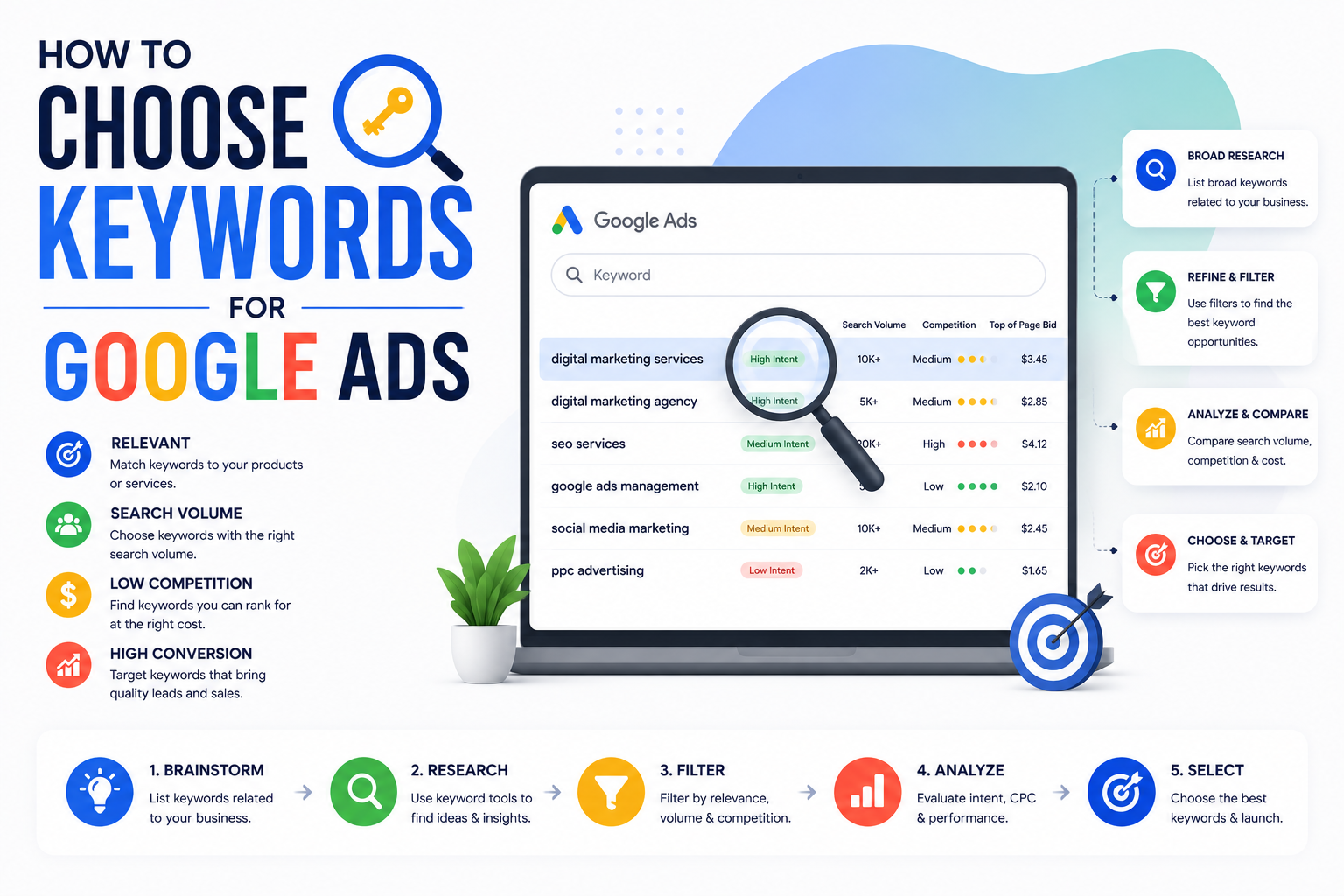
Want Keywords That Actually Drive Enquiries?
Our local SEO team researches the exact search terms your Melbourne customers use, then maps them to a content and optimisation strategy built to convert. Book a free consultation to get started.
What Is Local Keyword Research and Why Does It Differ?
Standard keyword research focuses on identifying popular search terms relevant to a product or service, regardless of where the searcher is located. Local keyword research adds a geographic dimension, targeting queries that include location identifiers such as suburb names, postcodes, city names, or implicit location signals like “near me.”
For a Melbourne plumbing business, a standard approach might target “emergency plumber” with hundreds of thousands of monthly searches nationally. A local approach targets “emergency plumber Richmond,” “plumber near Hawthorn,” or “blocked drain Camberwell,” which have far lower search volume but represent customers in your actual service area who are ready to book. The intent is sharper, the competition is lower, and the conversion rate is significantly higher.
According to data cited by Semrush’s local SEO research, 46% of all Google searches have local intent. Ignoring local keyword signals means missing nearly half of all relevant searches for your business category. This is why local keyword research services for small businesses in Melbourne have become an essential part of any effective digital marketing strategy.
The Three Types of Local Keywords Every Melbourne Business Needs
1. Geo-Modified Service Keywords
These are your core money keywords. They combine your primary service with a location identifier. Examples include “accountant in Doncaster,” “web designer South Yarra,” “electrician St Kilda,” or “childcare centre Templestowe.” Melbourne has 31 local government areas and hundreds of recognised suburbs, giving small businesses a rich landscape of geo-modified opportunities to target.
These keywords typically sit in the informational-to-transactional intent range. A searcher typing “carpet cleaner Balwyn” is not browsing. They have a specific need and are looking for a local provider. Ranking for even a handful of these terms in your service area can deliver consistent, high-quality leads month after month.
2. Near Me and Implicit Location Queries
“Near me” searches have surged as smartphone use has made location-aware search the default behaviour for most consumers. Searches like “dentist near me,” “Thai restaurant open now,” or “physio near me” do not include a suburb name but rely on Google to serve results based on the device’s GPS location. Ranking for these queries depends heavily on your Google Business Profile optimisation, the relevance of your website content, and your local citation footprint.
For Melbourne businesses, this category is critically important because a significant proportion of local search traffic now arrives via mobile “near me” queries. Appearing in the local map pack for these searches often requires a combination of Business Profile signals and website content that confirms your service area.
3. Long-Tail Informational Keywords
Long-tail local keywords are phrases of four or more words that capture a specific question or need. Examples include “how to find a reliable plumber in Melbourne,” “best accountant for small business Carlton,” or “what does a local SEO audit include Melbourne.” These queries have lower search volume but significantly higher purchase intent and conversion rates than shorter, more competitive terms.
According to Ahrefs’ analysis of keyword data, long-tail keywords with four or more words account for over 70% of all search queries. For small businesses competing against larger brands in Melbourne, targeting well-chosen long-tail local terms is often the fastest path to page-one rankings and qualified traffic.
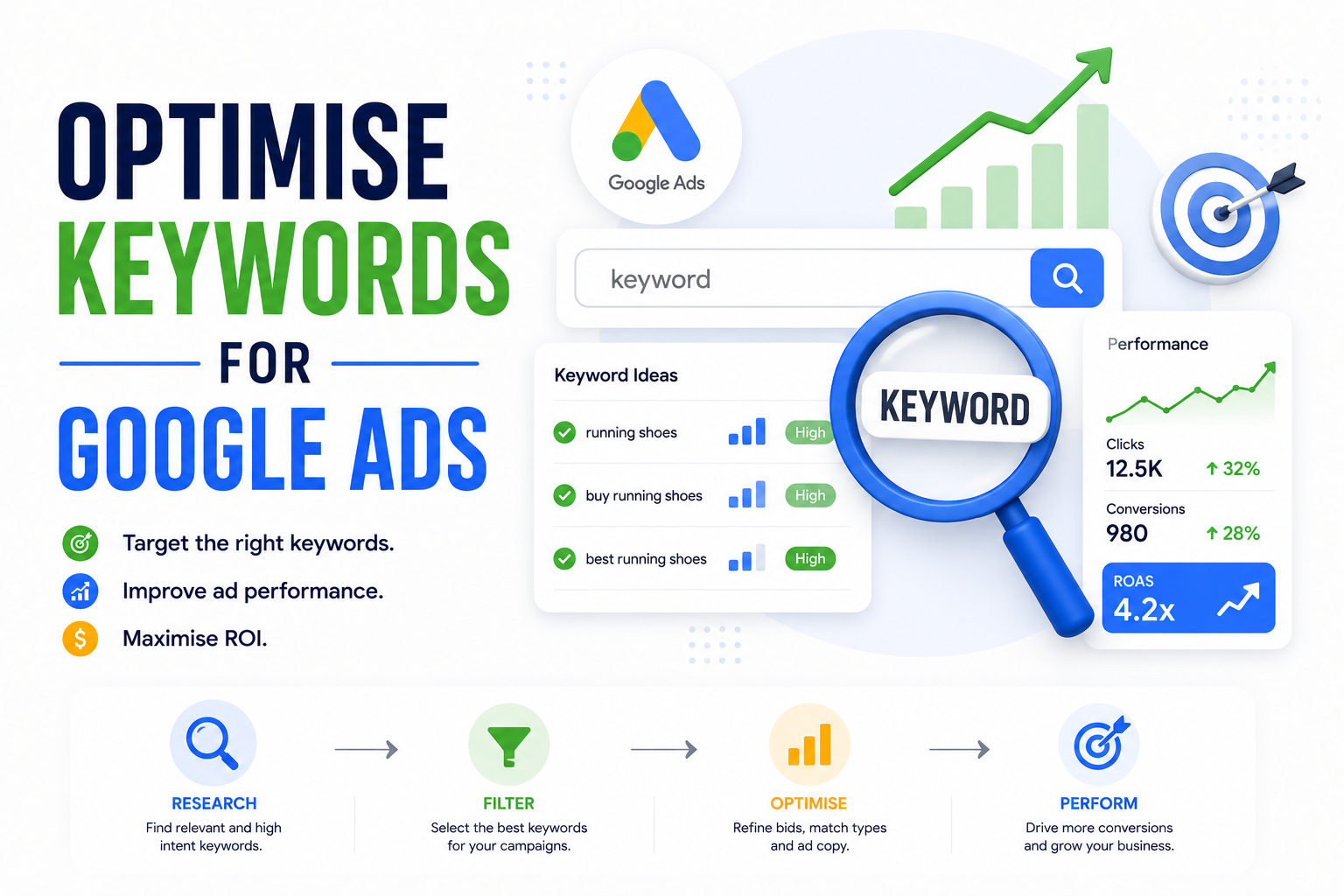
| Keyword Type | Search Volume | Competition | Purchase Intent |
|---|---|---|---|
| Broad (e.g. “plumber”) | Very High | Very High | Low to Medium |
| Geo-modified (“plumber Richmond”) | Medium | Medium | High |
| Near Me (“plumber near me”) | High | Medium | Very High |
| Long-tail local (4+ words) | Low | Low | Very High |
Swipe to scroll the table on mobile
How Professional Keyword Research Services Work
Free tools like Google Keyword Planner and Google Search Console give you a starting point, but professional local keyword research services for small businesses in Melbourne go several layers deeper. Here is what a thorough professional process looks like.
Competitor Gap Analysis
The most effective way to find untapped keyword opportunities is to analyse what your top Melbourne competitors are ranking for and where their content has gaps. Professional tools can reveal every keyword a competitor ranks for in the top 10 or 20 positions, which allows you to identify terms that are attracting traffic to similar businesses but are not yet targeted on your own website.
This competitive intelligence approach is far more efficient than guessing or relying solely on keyword volume data. It gives you a proven list of terms that are already driving traffic to businesses in your category, rather than hypothetical opportunities that may not have commercial value in your specific market.
Search Intent Classification
Not all keywords deserve the same type of content. A query like “what is local SEO” requires an educational blog post. A query like “local SEO agency Melbourne” requires a services page with trust signals and a clear call to action. A query like “DigiFix SEO review” requires social proof and detailed information about your process.
Professional keyword research maps each identified term to the appropriate content type and stage of the buyer journey. This prevents the common mistake of writing a blog post for a transactional keyword or creating a product page for an informational query, both of which result in poor rankings and even worse conversion rates. Our team at DigiFix conducts intent analysis for every keyword before making content recommendations. If you would like a keyword intent review for your Melbourne business, book a free call with our specialists.
Suburb-Level and Service-Area Mapping
Melbourne’s geographic diversity means that keyword demand varies significantly by suburb. A keyword that drives strong traffic in inner-city suburbs may have minimal search volume in outer eastern or western suburbs, and vice versa. Professional local keyword research services segment the research by suburb clusters, postcode groups, and service radius to ensure you are targeting areas with genuine search demand relevant to your business.
This mapping exercise also informs decisions about whether to create separate service-area pages for high-value suburbs or whether to consolidate coverage. For multi-location businesses or businesses that serve a wide Melbourne service area, this suburb-level data is indispensable for an efficient content strategy.
Research and Discovery
Analyse search volumes, competitor rankings, and suburb-level demand to build a prioritised list of local keywords with real commercial value for your Melbourne business.
Intent Mapping
Classify each keyword by search intent (informational, navigational, transactional) and match it to the most appropriate content type, from service pages to blog posts.
Implementation and Tracking
Apply the keyword strategy across your website, Google Business Profile, and content calendar. Track rankings monthly and refine based on performance data and algorithm changes.
The three phases of professional local keyword research for Melbourne small businesses.
Implementing Local Keywords Across Your Digital Presence
Identifying the right keywords is only half the job. The other half is implementing them effectively across every channel where your business appears online. This starts with your website’s page titles, headings, meta descriptions, and body content. Each key service page should target one primary local keyword and two or three supporting terms, woven naturally into the copy.
Your Google Business Profile description, services listing, and Google Posts should also incorporate local keywords relevant to your category and service area. Consistent use of your target keywords across your website, Business Profile, and local citation listings (Yellow Pages, True Local, etc.) reinforces your relevance signals to Google and improves your chances of appearing in the local map pack.
Blog content plays a supporting role by capturing long-tail informational searches that build authority and awareness. Each blog post should target a distinct keyword cluster and include internal links back to relevant service pages. The team at DigiFix builds keyword-mapped content calendars for Melbourne small businesses that align every piece of content with a measurable SEO objective.
Get a Custom Local Keyword Strategy for Your Melbourne Business
DigiFix delivers end-to-end local keyword research that identifies your highest-value search opportunities, maps them to a content plan, and tracks ranking progress month by month. Book a free consultation to see what is possible for your business.
Common Keyword Research Mistakes Melbourne Small Businesses Make
The most common mistake is chasing high-volume keywords that are completely dominated by large national brands or directories. A plumbing business cannot outrank a large franchise or industry directory for “plumber Australia” with a standard small business website. The smarter play is owning the local keyword landscape in your service area, which is entirely achievable for most Melbourne businesses with the right approach.
Another common error is keyword stuffing, which means forcing target keywords into content at an unnatural density. This practice used to work in older versions of Google’s algorithm but now actively harms rankings. Modern SEO rewards topical depth and natural language. Your content should address the searcher’s need comprehensively, and your target keywords should appear where they make sense contextually, not crammed into every sentence.
Neglecting to track keyword rankings after implementation is another costly oversight. Without tracking, you cannot tell which keywords are moving up, which are stagnant, and which might need a different content approach. Professional local keyword research services include monthly rank tracking as standard, so you always know what is working and what needs attention. See our local SEO blog for more guidance on monitoring and improving your rankings.
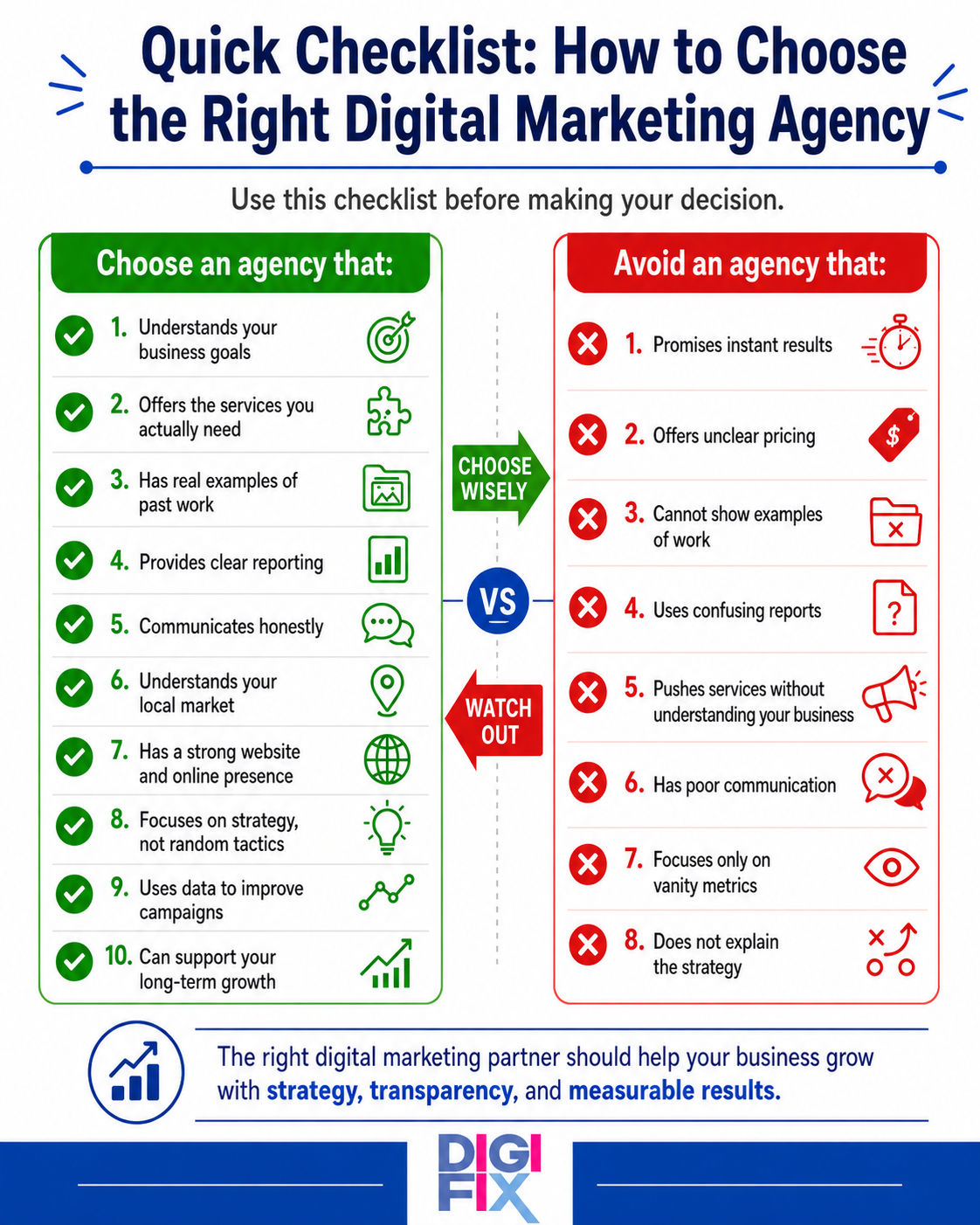
Is Your Keyword Strategy Missing Opportunities?
Local Keyword Strategy Self-Assessment
Tick each statement that accurately describes your current keyword approach.
Start Ranking for the Keywords Your Melbourne Customers Actually Use
Our team builds data-driven local keyword strategies for Melbourne small businesses, from initial research to ongoing rank tracking and content planning. Book your free, no-obligation consultation today.