

Keyword research is the backbone of every successful local SEO campaign in Australia. Without understanding what your customers are actually searching for, even the best-built website will struggle to rank. Applying the right essential keyword research strategies for local SEO can be the difference between appearing on page one in your suburb or being completely invisible online.
Key Takeaways
- Local keyword research targets suburb-level, geo-modified, and “near me” search terms rather than broad national keywords.
- According to Ahrefs, 94.74% of all keywords receive 10 or fewer monthly searches, making long-tail local terms extremely valuable.
- Google Business Profile optimisation and on-page keyword placement work together to boost local search visibility.
- Competitor keyword analysis reveals ranking opportunities your business may not have considered.
- Grouping keywords by search intent helps you create content that answers exactly what local customers are looking for.
- Consistent keyword application across your website, meta tags, and GBP profile compounds your local SEO results over time.
For Australian businesses competing in local markets, generic national keywords are rarely the path to qualified traffic. The real opportunity lies in location-specific searches. Someone in Melbourne’s inner north searching for “plumber Fitzroy” or “accountant Brunswick” is far more likely to convert than someone searching for “accountant Australia.” Understanding and applying essential keyword research strategies for local SEO puts your business in front of these high-intent local shoppers at precisely the right moment.
This guide walks Australian business owners and marketing managers through a proven approach to finding, prioritising, and using local keywords to grow their online presence. Whether you are just getting started or want to refine an existing SEO strategy, these techniques will help you target the searches that matter most to your business.
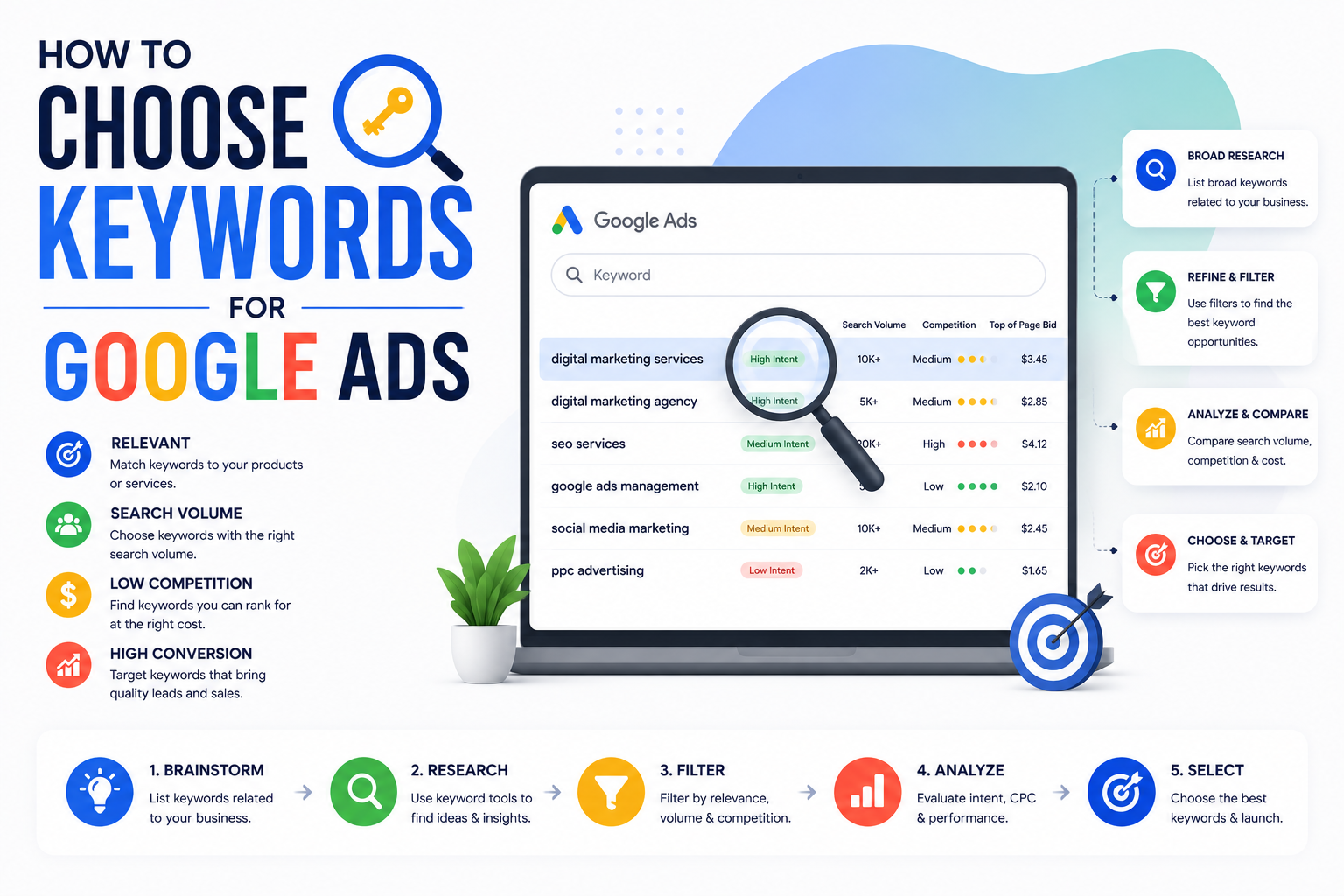
Not sure where to start with keyword research for your local area?
The team at DigiFix helps Australian businesses discover the exact search terms their customers use, then builds an SEO strategy around those keywords. Book a free strategy session today.
Why Keyword Research Is the Foundation of Local SEO
Local SEO without keyword research is like opening a shop in the wrong suburb. You might have a great product and a polished website, but if you are optimising for terms your customers never use, the traffic simply will not come. Keyword research ensures every page you create, every blog post you write, and every GBP update you make is aligned with what people are actually typing into Google.
According to Ahrefs, 58% of businesses do not optimise for local search at all. That represents a significant gap in the market for businesses that do invest in a targeted local keyword strategy. Getting this right gives you an immediate competitive advantage in your area.
Understanding Local Search Intent
Local search intent is what makes a search query specifically tied to a geographic area. When someone searches “best Italian restaurant near me” or “emergency electrician Richmond,” they have clear local intent. They want a business they can physically visit or call. Targeting these intent-driven keywords is central to any effective local SEO strategy in Australia.
There are three main intent types to consider: informational (how do I find a local dentist), navigational (DigiFix Melbourne), and transactional (book a plumber now). The most valuable local keywords sit in the transactional and informational categories, as they signal a customer who is close to making a decision.
The Difference Between Local and National Keywords
National keywords like “SEO services” or “web design” are highly competitive and usually dominated by large agencies with substantial domain authority. Local keywords such as “SEO services Melbourne CBD” or “web design Ballarat” attract a smaller but far more targeted pool of searchers. For most small and medium Australian businesses, local keywords deliver better conversion rates at a lower cost of effort.
Essential Keyword Research Strategies for Local SEO in Australia
Now that you understand why local keywords matter, here are the core strategies Australian businesses should apply consistently to find and target the right search terms.
Start With Geo-Modified Keywords
Geo-modified keywords combine your core service or product with a specific location. Examples include “accountant Geelong,” “physiotherapist Parramatta,” or “cafe Carlton North.” These are the most straightforward local keywords and should form the base of your keyword list. Start by listing every suburb, city, and region you serve, then combine those with your core service offerings.
Do not overlook nearby suburbs and postcodes. Many Australian businesses focus only on their immediate location, missing out on customers from adjoining areas who are also searching for nearby services. A dentist in Fitzroy North, for example, should also target keywords for Brunswick East, Clifton Hill, and Collingwood.
If you want to get a professional audit of your local keyword opportunities, working with an experienced SEO team can save months of trial and error.
Mine “Near Me” and Voice Search Terms
“Near me” searches have grown dramatically in Australia as smartphone adoption has increased. Research from Think With Google (cited in Ahrefs) shows that 76% of people who search for something nearby on their smartphones visit a business within a day. This data makes “near me” keyword optimisation one of the highest-ROI local SEO activities available.
Voice search is closely linked to “near me” queries. People speaking into their devices tend to use longer, more conversational phrases. Targeting questions like “where can I find a locksmith near me open now?” or “best coffee near me” through your Google Business Profile and FAQ content helps capture these searches.
Analyse Competitor Keywords
One of the fastest ways to discover high-value local keywords is to study what your competitors are ranking for. Look at the top three or four businesses appearing in Google search results for your core services. Identify which keywords they are optimising for on their service pages, in their page titles, and in their meta descriptions.
You are not trying to copy them. You are looking for gaps they have missed and opportunities where your content could provide more value or better local relevance. Ahrefs and Semrush both offer competitor keyword analysis tools that make this process much quicker for Australian businesses.
Tools and Techniques to Find Local Keywords
You do not need expensive software to start building a strong local keyword list. Several free and low-cost tools provide excellent data for Australian markets.
Google Search Console for Intent Data
If your website is already getting some traffic, Google Search Console is a goldmine. The Performance report shows exactly which queries are generating impressions and clicks. Look for local terms you are already appearing for but not fully optimising. These are your quickest wins, as Google already considers your site relevant for those searches.
Google Autocomplete and Related Searches
Type your core service into Google with a location added and watch what the autocomplete suggestions show. These suggestions are based on real search behaviour in your region. Similarly, scroll to the bottom of the results page and check the “related searches” section for additional keyword ideas. Both methods are free and reflect current Australian search trends.
| Keyword Type | Example | Best Used For | Competition Level |
|---|---|---|---|
| Geo-modified | SEO agency Melbourne | Service pages | Medium to High |
| Suburb-specific | accountant Fitzroy North | Location landing pages | Low to Medium |
| “Near me” | plumber near me open now | GBP and mobile SEO | Medium |
| Long-tail local | affordable website design Ballarat | Blog and FAQ content | Low |
| Question-based | how much does SEO cost in Sydney | Blog posts and FAQs | Low |
Swipe to scroll the table on mobile
How to Prioritise and Cluster Your Local Keywords
Having a long list of local keywords is only valuable if you know how to organise and apply them. Keyword clustering and prioritisation are skills that separate businesses that rank consistently from those that churn out unfocused content.
Search Volume vs. Competition
A common mistake is chasing keywords purely based on search volume. According to Ahrefs, 94.74% of all keywords receive 10 or fewer monthly searches. This sounds discouraging, but for local businesses it is actually very good news. Your suburb-level keywords may only get 20 to 50 searches per month, but those searchers are looking specifically for what you offer in the exact location you serve.
Prioritise keywords with a balance of realistic search volume and low to medium competition. New businesses should focus first on suburb-specific long-tail terms before targeting broader, higher-competition city-level keywords. This builds momentum and early rankings that generate trust signals for Google.
Grouping Keywords by Intent
Each page on your website should target a cluster of keywords that share the same search intent. A service page about SEO for Melbourne restaurants should target terms like “SEO for restaurants Melbourne,” “restaurant digital marketing Melbourne,” and “local SEO for cafes Melbourne.” One page ranking for a cluster is far more effective than several thin pages each targeting a single keyword.
Discover
List all suburbs you serve, all services you offer, and combine them into geo-modified keyword seeds.
Validate
Use Google Search Console, Autocomplete, and competitor research to confirm real search demand.
Cluster
Group related keywords by intent and assign each cluster to a single optimised page on your website.
The three-step local keyword research process: Discover, Validate, and Cluster for maximum SEO impact.
How Strong Is Your Local Keyword Strategy Right Now?
Check each statement that applies to your current SEO approach:
Want an expert to map out your local keyword opportunities?
DigiFix provides tailored keyword research and local SEO strategies for Australian businesses across every industry. Get a personalised plan for your suburb and service area.
Implementing Local Keywords Across Your Website
Finding the right local keywords is only half the job. Applying them correctly across your website and online profiles is what turns keyword research into actual rankings and traffic.
On-Page Placement Best Practices
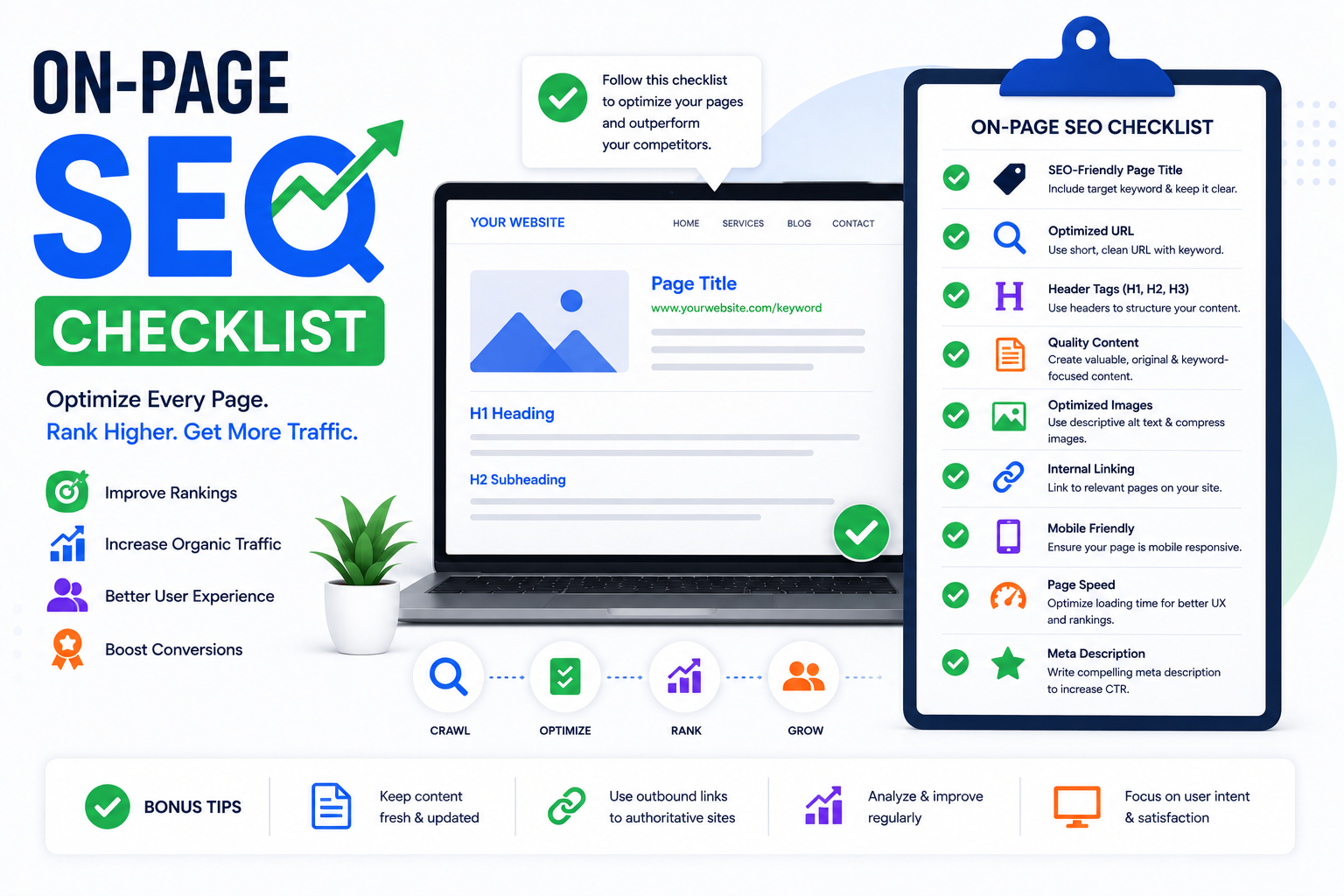
Your primary local keyword should appear in the page title, the first paragraph of your content, at least one H2 heading, the meta description, the URL slug, and in the alt text of at least one image. Avoid keyword stuffing. Natural-sounding content that also includes relevant location terms ranks far better than content crammed with repetitive phrases.
Include your business address, phone number, and suburb in your website footer and on your contact page. This reinforces to search engines that your business operates at a specific location, which strengthens your local ranking signals. Use consistent NAP (Name, Address, Phone) details everywhere your business appears online.
Optimising Your Google Business Profile
Your Google Business Profile is one of the most powerful local SEO assets you have. According to Google, customers are 2.7 times more likely to consider a business reputable when they find a complete Business Profile. Use your primary local keyword naturally in your GBP description, in your service listings, and in your regular Google Posts. Encourage customers to mention your service and suburb in their reviews, as these signals strengthen your map pack rankings.
If you need expert guidance on local SEO, DigiFix has helped dozens of Australian businesses climb to the first page of local search results through targeted keyword strategies and proven SEO techniques.

Ready to Build a Winning Local Keyword Strategy?
Our local SEO specialists at DigiFix will audit your current keyword profile, identify the highest-value opportunities for your suburb and service area, and create a targeted plan to get you ranking where it counts. This consultation is completely free with no obligation.