

Learn the best mobile SEO practices for 2025. Improve speed, usability, and local search performance with expert tips from DigiFix’s SEO team.
With mobile devices now dominating internet usage, optimising for mobile search is no longer optional—it’s essential. According to Statista, by the end of 2025, there will be 7.49 billion mobile users worldwide—an increase of nearly 8% from 2020. That staggering number reflects how users are increasingly relying on their smartphones to access content, shop online, and engage with brands.
Add to that the fact that Google has fully switched to mobile-first indexing, and it’s clear: mobile search engine optimization (SEO) must be at the heart of your digital strategy.
In this blog, we’ll explore what mobile SEO is, why it matters, and the top mobile SEO best practices you need to implement to stay ahead in search rankings and deliver a seamless user experience.
What is Mobile SEO?
Mobile search engine optimization (Mobile SEO) is a specialised branch of SEO that focuses on enhancing a website’s visibility, performance, and usability specifically for mobile devices. With users increasingly browsing, shopping, and searching on their smartphones and tablets, optimising for mobile has become a crucial aspect of digital strategy.
At its core, mobile SEO is about structuring your site so that the right audience can easily discover and interact with it in a mobile-first search environment. It involves responsive design, fast loading times, mobile-friendly content, and seamless user experience across devices.
While multiple search engines are available, Google is the dominant player in the mobile space, accounting for nearly 95% of the mobile search market. That makes Google’s standards and algorithms—especially its mobile-first indexing—vital benchmarks for any mobile SEO strategy.
With mobile usage projected to reach 7.49 billion users by the end of 2025, optimising for mobile search is no longer just about staying competitive—it’s about staying visible at all.
Mobile SEO Best Practices to Dominate Search
Let’s look at the mobile SEO best practices you should be implementing right now to stay competitive and relevant in the mobile-first world:
Now that we understand why mobile SEO is critical, let’s dive into the key mobile SEO best practices that can dramatically improve your site’s mobile visibility, user experience, and search rankings.
1. Use a Responsive Web Design
One of the most important mobile SEO best practices is implementing responsive web design. A responsive website automatically adapts its layout, content, and elements to fit the screen size and orientation of the device being used—whether it’s a smartphone, tablet, or desktop.
Google recommends responsive design as the most effective and preferred configuration for mobile SEO. With the search engine now exclusively crawling and ranking websites based on their mobile versions (thanks to mobile-first indexing), having a responsive site is no longer just an option—it’s non-negotiable.
Consider this: mobile devices account for 64% of global web traffic, and this percentage is expected to continue growing. If your site doesn’t provide a seamless experience across all mobile devices, you’re not just frustrating users—you’re risking your rankings and conversions.
Key Takeaway: A responsive design isn’t just a design choice—it’s a foundational step in executing mobile SEO best practices successfully.
2. Improve Page Speed on Mobile
Speed matters—a lot. Another essential aspect of mobile SEO best practices is ensuring your site loads quickly on mobile devices. Mobile users are typically on the go and less patient with slow-loading pages.
According to Google, if a site takes more than five seconds to load, up to 90% of mobile users are likely to abandon it. Moreover, 53% of visits are abandoned if pages take more than three seconds to load. Nearly half of users expect a page to load in one to two seconds.
In short, mobile page speed is directly tied to your bounce rate, engagement, and ultimately, your revenue.
Best Practices:
- Compress images to reduce file sizes without compromising quality
- Use lazy loading so images/videos load only when visible
- Minify CSS, JavaScript, and HTML to streamline your code
- Choose a mobile-optimised hosting solution or CDN to deliver faster load times globally
To check your mobile performance, use Google PageSpeed Insights. This tool analyses your URL, provides performance scores, and offers actionable suggestions for improvement.
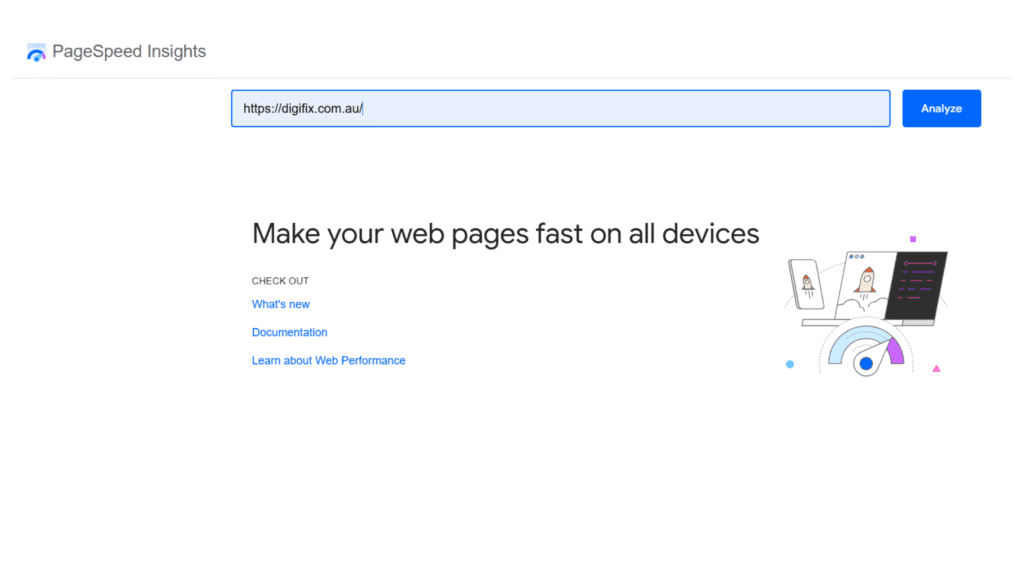
Google’s mobile speed test is also a great starting point—it’ll scan your site and generate a report on how well it performs on mobile, complete with optimisation tips.
Key Takeaway: Improving mobile load times is not just a technical upgrade—it’s a core part of your mobile SEO best practices that directly affects search rankings and user satisfaction.
3. Optimise Your Google Business Profile for Local Mobile Searches
One of the most overlooked yet powerful mobile SEO best practices is optimising your Google Business Profile (GBP)—formerly known as Google My Business. This is especially critical for local mobile searches, where users often search for products or services and expect instant, relevant results.
When someone searches for your business category on a mobile device, your Google Business Profile is likely the first thing they’ll see. It appears directly in Google Search and Maps, making it the cornerstone of local mobile SEO.

Here’s how to fully optimise your profile:
✅ Claim and Verify Your Listing
Start by claiming and verifying your GBP if you haven’t. This gives you control over the information displayed and is essential for building a trusted presence in local search results.
✅ Complete Every Section Accurately
- Name, Address, Phone Number (NAP): Ensure consistency between your GBP, website, and other online listings. Discrepancies in NAP information can hurt your local visibility.
- Business Categories: Choose specific and relevant categories to clearly define what your business offers.
- Operating Hours: Keep your hours up to date, including any changes during holidays or special events.
- Website Link: Link directly to your mobile-optimised website to ensure a seamless user experience.
✅ Add High-Quality Photos
Mobile users are highly visual. Upload clear, high-resolution images of:
- Your storefront and interior
- Products or services
- Staff and events
These visuals help customers quickly decide whether to visit your business.
✅ Showcase Your Services and Products
Use GBP’s features to highlight your core offerings. Describe them clearly and concisely, using relevant keywords to improve visibility.
✅ Write a Compelling Business Description
Your business description should be keyword-rich, accurate, and informative. Tell users who you are, what you do, and what sets you apart—all while keeping it mobile-friendly and easy to scan.
✅ Regularly Post Updates
Keep your profile active by sharing:
- Promotions
- Events
- Announcements
- Seasonal offers
These posts appear prominently on mobile and keep your profile engaging and up to date.
✅ Engage With Reviews
Encourage satisfied customers to leave positive reviews. Respond to all reviews—both good and bad—in a timely, professional manner. This boosts credibility and shows potential customers you value feedback.
✅ Monitor and Use the Q&A Section
Answer questions submitted by users and proactively add commonly asked questions and answers. This helps address concerns upfront and builds trust with potential customers.
✅ Enable Google Messaging
Activate the messaging feature so customers can text your business directly from your profile—a feature mobile users love for its simplicity and speed.
Key Takeaway: Optimising your Google Business Profile is one of the most impactful mobile SEO best practices, especially for businesses targeting local audiences. A well-maintained GBP not only boosts your local visibility on mobile but also drives more in-store visits, calls, and conversions.
4. Use a Local Keyword Strategy
An essential part of effective mobile SEO best practices is implementing a strong local keyword strategy. Since mobile users are often searching with local intent—especially when they’re ready to take immediate action—your website must speak the same language they use in their searches.
📍 “Near Me” and Location-Based Searches
Mobile users frequently use phrases like “near me” or “near [city/town]” to find services, stores, or restaurants nearby. While it’s not necessary to overuse “near me” in your content, you should make sure that your location information is clear and accessible on every relevant page of your site.
Example: Instead of simply using “best coffee,” aim for phrases like “best coffee shop in Melbourne” or “coffee near Windsor.”
📍 Location-Specific Keywords
Incorporate city, suburb, neighbourhood, or landmark-based terms throughout your:
- Website copy
- Heading tags (H1, H2)
- Meta titles and descriptions
- Image alt text
- Blog posts
This helps search engines and users immediately recognise where your business operates.
Tip: Be natural. If you’re a service provider, include your service areas within your site footer, FAQ page, or location-specific landing pages.
📍 Service + Location Combinations
Combine what you offer with where you offer it. These “service + location” combinations align perfectly with how users search on mobile.
Examples:
- “Plumber in Keysborough”
- “Vietnamese restaurant in Balaclava”
- “Digital marketing agency in Melbourne CBD”
These keywords not only match search queries more closely but also help boost your visibility in local mobile search results.
📍 Long-Tail Local Keywords
Don’t overlook long-tail keywords that reflect real, conversational queries. Mobile users often speak or type in complete questions or specific needs, especially when using voice search.
Example: Instead of targeting “car repair,” aim for “affordable car repair in Melbourne” or “quick tyre service near Carlton.”
These longer, more specific phrases may have lower competition and higher conversion potential, particularly in mobile searches where users are closer to making a decision.
Key Takeaway: Tailoring your keyword strategy to mobile users’ local intent is one of the most effective mobile SEO best practices. When your content reflects how people search on their phones, your visibility, clicks, and conversions all improve.
5. Create Mobile-Optimised Website Content & Structure
Another crucial component of effective mobile SEO best practices is assuring your website’s content and structure are fully optimised for mobile users—especially if your business operates in multiple locations. Mobile users expect fast, clear, and locally relevant content, and search engines reward sites that deliver just that.
Dedicated Local Pages (If Applicable):
If your business has multiple locations, create a separate page for each location. These local landing pages should each have:
- Unique and accurate NAP (Name, Address, Phone Number)
- Updated business hours
- A location-specific description of your offerings
- Local testimonials or reviews to build trust with nearby audiences
Avoid duplicating content between location pages. Each page should speak directly to that specific local audience.
Implement LocalBusiness Schema Markup:
Using schema markup, specifically LocalBusiness schema, is one of the more technical yet powerful mobile SEO best practices. This structured data helps search engines better understand and categorise your business details like:
- Name
- Address
- Phone number
- Business Type
- Hours of operation
When implemented correctly, schema markup increases the chances of your business being featured in rich results or Google’s Local Pack, particularly in mobile searches.
Tools to validate your schema:
NAP Consistency:
Reinforcing an earlier point, maintaining consistent NAP information across your entire website, Google Business Profile, and third-party directories (like Yelp, TripAdvisor, and local directories) is essential. Inconsistent NAP data can confuse both users and search engines, negatively affecting your local SEO performance.
Embed Location Maps:
Help mobile users find you faster by embedding a Google Map on your contact page and each location page. A map not only improves the user experience but also signals to search engines that your site is aligned with local intent.
Bonus Tip: Your map should be responsive and easily clickable on smaller screens, so users can instantly launch directions or view your listing in Google Maps.
Key Takeaway: Structuring your site with mobile-first content, location-based schema, and consistent NAP information is among the most powerful mobile SEO best practices. It ensures both users and search engines understand exactly who you are, where you are, and what you offer—especially in a local context.
6. Prepare for Voice Search
With the rise of smart assistants like Siri, Google Assistant, and Alexa, voice search is transforming how people interact with search engines—especially on mobile devices. According to industry data, over 50% of all internet searches are now voice-activated, and voice-driven sales are projected to reach $40 billion by 2025. 72% of people use voice search daily, making it a critical trend in modern search behaviour.
As part of comprehensive mobile SEO best practices, businesses must adapt their content strategies to cater to how people speak—not just how they type.
How does Voice Search Differ from Text Search?
Voice queries are:
- Longer and more conversational.
- Often framed as questions.
- Highly intent-driven, with users seeking immediate answers.
This shift demands a content approach that prioritises natural language and quick accessibility, especially for mobile users on the go.
✅ How to Optimise for Voice Search
- Create FAQ-Style Content
People often ask full questions when speaking to their devices. Structure your content with frequently asked questions and concise answers that mimic real speech patterns.
Example: Instead of writing “Best Thai restaurant,” write:
Q: What’s the best Thai restaurant near South Yarra?
A: [Business Name] is known for its authentic Thai dishes and fast delivery in the South Yarra area.
- Target Featured Snippets
Google frequently pulls voice search results from featured snippets. Use:
- Short paragraphs (40–50 words)
- Bullet points
- Clear headings
These formats help search engines extract and read your content aloud.
- Use Schema Markup
Implement structured data like FAQPage schema or LocalBusiness schema to make your content easier for search engines to understand. Schema increases your chance of being featured in voice results and rich snippets.
- Prioritise Speed
Voice search results typically load in under five seconds. Since voice users expect quick, precise answers, speed becomes even more critical. This ties directly back to earlier mobile SEO best practices like page speed optimisation and responsive design.
Make Your Content Voice-Search Friendly:
- Write conversationally: Use a tone that feels natural and human.
- Use question phrases: Include queries starting with “how to,” “what is,” “where can I,” etc.
- Target long-tail keywords: These reflect how people speak and improve your chances of capturing voice queries.
- Provide direct answers: Don’t bury the answer—deliver it clearly and quickly.
7. Test Mobile Usability Regularly
Even if your website is mobile-friendly today, it may not stay that way tomorrow. Regular testing and maintenance are vital components of effective mobile SEO best practices. With algorithm updates, design changes, and new mobile devices constantly entering the market, what worked a few months ago may no longer deliver a seamless experience.
Google prioritises mobile usability in its ranking algorithm. If users can’t easily navigate your site on their phones, you risk higher bounce rates, lower engagement, and reduced visibility in mobile search results.
Use the Right Tools for Testing:
Start by using Google Search Console’s Mobile Usability Report to detect and fix common issues like:
- Text too small to read
- Clickable elements placed too close together
- Content wider than the screen
- Viewport not set
- Images or resources not loading properly on mobile
These issues directly impact both the user experience and your mobile SEO performance.
Best Practice Tips:
- Run mobile usability tests regularly using tools like Google Search Console, Chrome DevTools (Device Toolbar), and BrowserStack.
- Simulate different screen sizes to ensure consistency across devices—smartphones, tablets, foldables, and more.
- Fix issues promptly as they arise to maintain search rankings and keep your mobile site user-friendly.
By staying proactive with usability testing, you ensure your website continues to meet both user expectations and Google’s mobile-first standards.
Key Takeaway: Regular testing is one of the most overlooked but critical mobile SEO best practices. By identifying and resolving issues early, you protect your rankings, improve your user experience, and stay ahead of mobile algorithm shifts.
Boost Your Mobile Visibility with DigiFix’s Expert Mobile SEO Services
In a mobile-first world, having a website that performs flawlessly on smartphones and tablets is no longer optional—it’s essential. At DigiFix, we specialise in delivering cutting-edge Mobile SEO services that help businesses dominate mobile search results and turn mobile traffic into real growth.
What We Offer:
✅ Mobile SEO Audits
We conduct in-depth audits to evaluate your site’s mobile performance, usability, and search readiness. From identifying slow load times to uncovering design flaws, we provide a detailed roadmap to help you fix issues and unlock better rankings.
✅ Mobile-Friendly Content Creation
Our team creates content tailored specifically for mobile users—fast-loading, highly readable, and optimised for voice search. Whether it’s landing pages, local content, or FAQs, we ensure your message is clear, concise, and effective on every screen size.
✅ Technical Mobile Optimisation
We help implement responsive design, structured data (schema markup), page speed improvements, and user experience enhancements—all aligned with the mobile-first indexing guidelines of Google.
✅ Ongoing Monitoring & Reporting
Mobile SEO is not a one-time fix. We continuously monitor your site’s mobile performance and provide clear reports and recommendations, ensuring long-term success in an evolving digital landscape.
Let DigiFix Help to Master Mobile SEO,
Whether you are a local business or a national brand, DigiFix has the tools, expertise, and strategy to help you thrive in the mobile-first era. Don’t let poor mobile optimisation hold your business back.