

Visitors rarely complain about a confusing website. They just leave. Custom UX Design Services for Australian Businesses exist to stop that silent loss, replacing guesswork with layouts, journeys and content built around how your customers actually behave. The result is a site that feels effortless to use and quietly converts more of the traffic you already have.
Key Takeaways
- UX design is about removing friction, not adding decoration. Every fix maps to a business metric.
- Google’s research links tiny speed and usability gains to double digit lifts in add to cart and booking rates.
- Custom UX beats templates because it is built from your customers’ behaviour, not a stranger’s.
- Most Australians browse on phones, so mobile first thinking is now the baseline, not a bonus.
- A good UX partner shows evidence, tests with real users and measures results after launch.
This guide explains what Custom UX Design Services for Australian Businesses include, how the process works and what returns you can reasonably expect. It is written for business owners and managers, not designers. No jargon, just the decisions that matter and the questions worth asking before you engage anyone.
Want a quick read on your website’s UX health?
Book a consultation and get an honest walkthrough of where visitors struggle on your site and what to fix first.
What UX Design Actually Means, and What It Is Not
User experience design covers everything a visitor feels while using your website. How quickly pages respond. How obvious the next step is. How easily a form can be completed on a small screen. It is the discipline of making the path from arrival to action as smooth as possible.
It is not the same as visual design, although the two work together. A beautiful site can still frustrate people. A plain site can convert brilliantly. UX work starts with behaviour. Designers study where visitors hesitate, what they search for and where they give up. Then they redesign those moments.
The custom part matters. Template themes assume an average business with average customers. Your buyers have specific habits, questions and doubts. Custom UX design builds around those specifics, which is why it outperforms off the shelf layouts on the metrics that count.
Why Custom UX Design Services for Australian Businesses Pay Off
The evidence for UX investment is unusually strong. Google’s Milliseconds Make Millions study measured what happens when sites shave just 0.1 seconds off load times. Retail visitors moving from product page to basket jumped 40.1 percent. Travel sites saw bookings improve by around 10 percent. Small friction, removed, produces large gains.
Google’s performance team explains the mechanism plainly in why speed matters. Sites that respond quickly and behave predictably hold attention. Sites that stall or confuse lose it. UX design applies that logic to every step, not just load time.
Relevance compounds the gains. HubSpot’s industry research found 91 percent of marketers using personalisation report stronger engagement. When content and journeys match visitor intent, people stay longer and act more often. For a business, that means the same advertising budget yields more enquiries. You can get a consultation on where your site loses the most visitors if you want the picture for your own numbers.
Common UX Problems and What They Cost
| UX problem | Business symptom | Typical fix |
|---|---|---|
| Slow page loads | High bounce rate, wasted ad spend | Image optimisation and cleaner code |
| Confusing navigation | Visitors never find key services | Simplified menus tested with users |
| Long or fiddly forms | Enquiries abandoned midway | Shorter fields, mobile friendly inputs |
| Weak calls to action | Traffic without conversions | Clear next steps on every page |
| Cluttered mobile layout | Phone visitors leave within seconds | Mobile first redesign of key pages |
Swipe to scroll the table on mobile
Recognise any of these on your own site?
Most businesses have two or three. A short session is enough to identify yours and rank the fixes by likely return.
The Custom UX Process, Step by Step
Research and discovery
Good UX work begins with evidence. Designers review your analytics, watch how visitors move through pages and interview the people who deal with customers daily. The goal is a clear map of where the current site helps and where it hurts.
Wireframes and prototypes
Before anything is built, layouts are sketched and tested cheaply. A prototype answers the expensive questions early. Does the navigation make sense? Is the enquiry path obvious? Changes at this stage cost hours, not weeks.
Testing with real users
Watching five real people attempt tasks on a prototype reveals more than fifty internal opinions. Testing removes debate from design decisions. What confused users gets fixed. What worked stays.
Build, measure, refine
After launch, the numbers take over. Conversion rates, form completions and page engagement show whether the design is doing its job. The best results come from small monthly refinements guided by that data.
Where Poor UX Quietly Costs Money
Abandoned carts and forms
Every extra field or slow step sheds buyers who were ready to act.
Wasted advertising spend
Paid clicks landing on confusing pages burn budget without returning leads.
Avoidable support calls
When the site cannot answer simple questions, your phone does instead.
Three quiet leaks that a UX review typically finds within the first week.
UX for a Mobile First Australia
Most Australian web traffic now arrives on phones. That changes the design brief completely. Thumbs replace mouse pointers. Screens shrink to a palm. Patience shortens on mobile networks. A layout that works beautifully on an office monitor can be unusable on a tram ride.
Mobile first UX design starts with the phone experience and scales up, rather than designing for desktop and squeezing down. Buttons sit where thumbs reach. Forms accept autofill. Content leads with the answer instead of the preamble. Menus collapse into predictable patterns.
The payoff is direct. Google’s speed research shows mobile visitors are the least forgiving of friction, and they are also the majority. Serve them well and overall conversion rises with them.
Is poor UX costing your business?
Tick every statement that sounds like your website, then check your score.
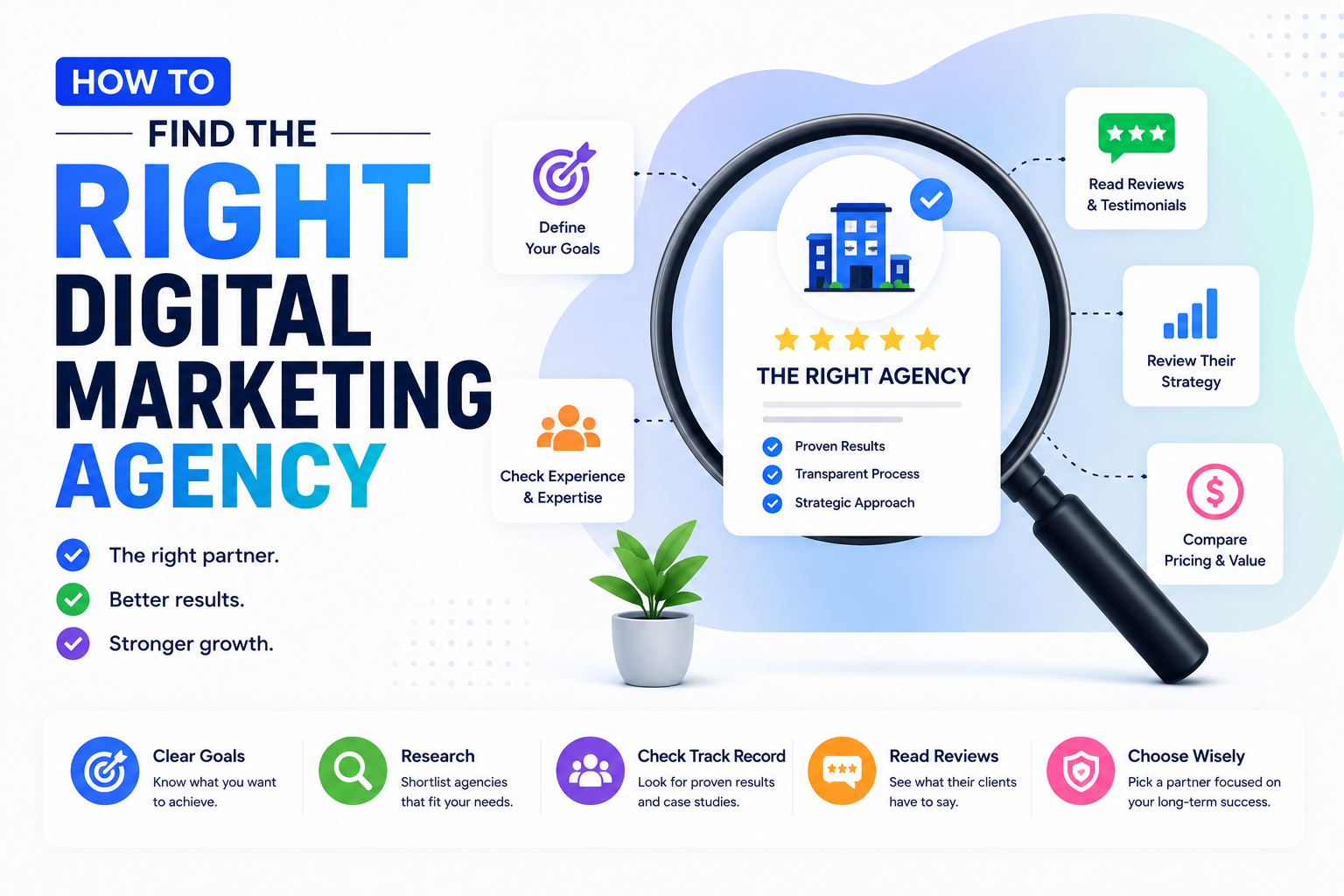
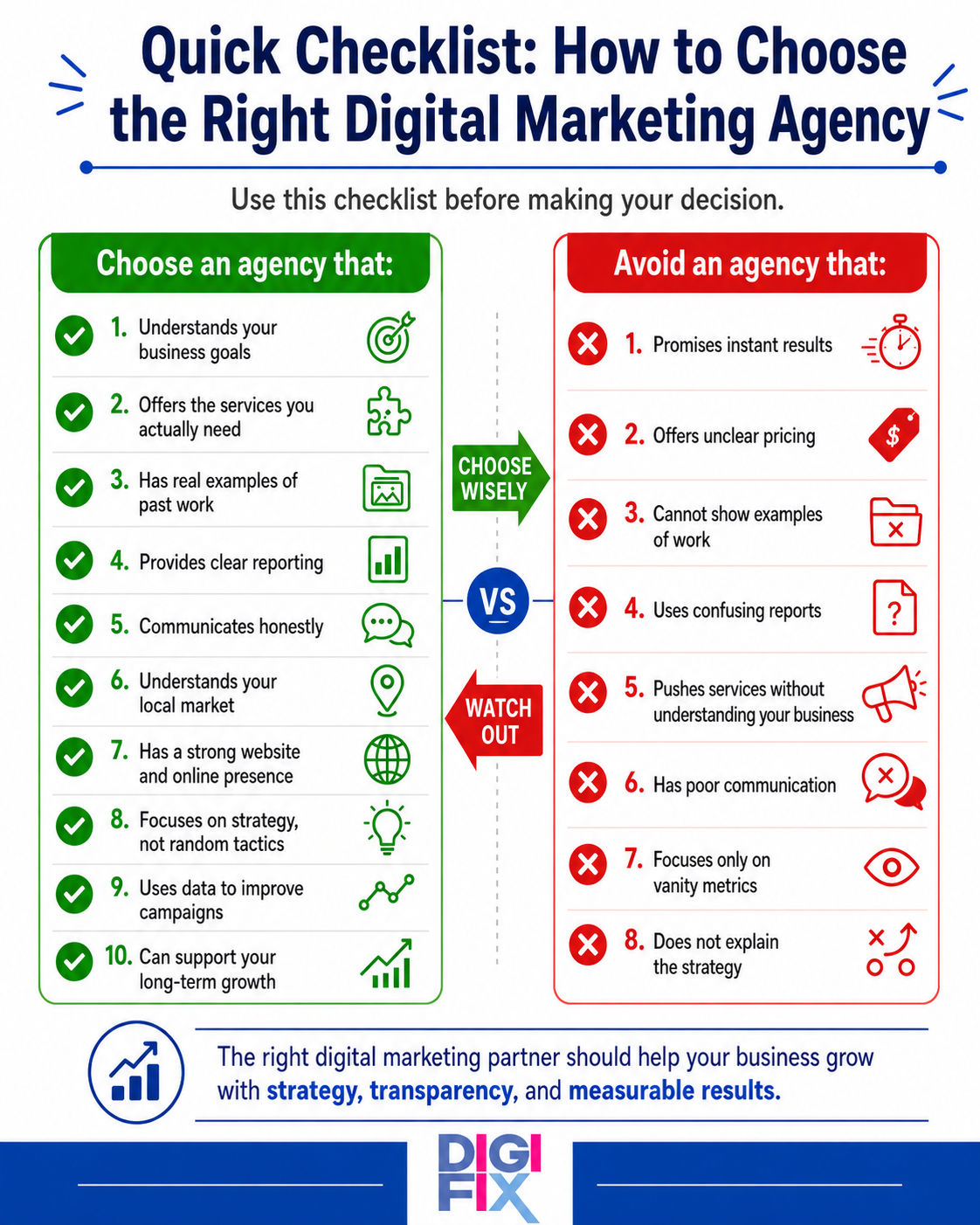
Choosing a UX Partner in Australia
Look for evidence over adjectives. A capable UX partner shows before and after results, explains the reasoning behind design choices and is comfortable being measured on outcomes. Portfolio work tells you plenty. The Melbourne Refrigeration and Catering Equipment case study shows how a product heavy site can be organised around real buyer behaviour.
Check the surrounding capabilities too. UX improvements often require development work, so a team that offers both design and web development can move from insight to fix without handoffs. Broader digital marketing services help the improved site attract the traffic it deserves.
Melbourne based DigiFix works with Australian businesses across retail, services and professional sectors, and publishes hands on advice through its web development blog. Reading an agency’s own content is a fair preview of how they think.
UX and SEO Work Better Together
Search engines increasingly reward the same qualities users do. Fast pages, stable layouts and clear structure feed directly into how Google evaluates a site. When a UX project improves those fundamentals, organic visibility often improves alongside conversion. Two returns from one investment.
The relationship runs the other way as well. SEO brings visitors with specific intent, and good UX makes sure that intent is met within seconds of arrival. A landing page that matches the search, answers the question and offers an obvious next step converts search traffic at multiples of a generic page.
Content plays the connecting role. Headings that mirror how customers phrase questions help both rankings and comprehension. Internal links guide visitors deeper while spreading authority across the site. If your business depends on local customers, pairing UX work with local search optimisation is one of the highest leverage combinations available.
The practical takeaway is simple. Do not commission UX and SEO as separate, disconnected projects. Brief them together so page structures, content and technical decisions serve both goals from day one.
What to Measure After a UX Project
Agree the scoreboard before the work begins. Conversion rate is the headline number, whether that means purchases, quotes or bookings. Underneath it sit the diagnostic metrics. Form completion rates show whether enquiry friction is gone. Bounce rates on key landing pages show whether first impressions improved. Time to complete a purchase or enquiry shows whether the path shortened.
Give changes time to prove themselves. A month of data beats a week of opinions. Seasonal businesses should compare like periods rather than adjacent ones.
Then keep going. UX is not a project with an end date. Customer expectations rise every year, and small quarterly refinements cost far less than another full rebuild in three years. Businesses that treat their website as a living asset consistently outperform those that set and forget.
Ready to find out what better UX could earn you?
The consultation is free and there is no obligation. Walk through your site with an expert and leave with a prioritised list of improvements.