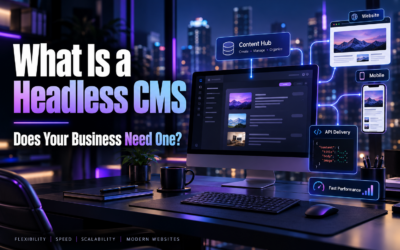

Your website is often the first employee a customer meets, and the platform behind it decides how well that meeting goes. Custom CMS Development Services for Australian Businesses give you a content platform shaped around your workflows, not someone else’s template. This guide explains what custom CMS development involves, what it costs to get wrong, and how to choose well.
Key Takeaways
- A custom CMS is built around your content workflows, approval chains and integrations, rather than forcing you into a template.
- Off-the-shelf platforms suit simple sites. Growing businesses with complex catalogues, multiple locations or strict compliance needs often outgrow them.
- Speed matters commercially. The BBC found it lost 10 percent of users for every extra second a page took to load.
- A good build includes discovery, information architecture, editor experience design, integrations, training and ongoing support.
- Choose a partner on process and proof, not just price. Ask to see live builds and speak to past clients.
Content management systems now power a huge share of the web. HubSpot notes that more than 80 million websites already run on a CMS of some kind (source). Most of those sites use generic platforms. That works until your business stops being generic. Custom CMS Development Services for Australian Businesses exist for that moment. They replace workarounds and plugin stacks with a platform that fits how your team actually publishes, sells and reports. In this article we cover the benefits, the build process, the questions to ask a developer, and the realistic costs.
Not sure if your current platform is the problem?
A 30 minute chat can tell you whether you need a rebuild or just a tune up. No pitch, just straight answers from a Melbourne team.
What Is a Custom CMS, and How Is It Different?
A content management system is the software your team uses to create, edit and publish website content. Off-the-shelf options such as standard WordPress themes, Wix or Squarespace give you a preset structure. A custom CMS build starts from your requirements instead. Developers design the content types, editing screens, user roles and integrations around your business.
Custom does not always mean built from scratch. Many strong builds use WordPress or a headless platform as the foundation. The custom part is the architecture, the editor experience and the integrations layered on top. Done well, your marketing coordinator can update a product range in minutes without touching a developer.
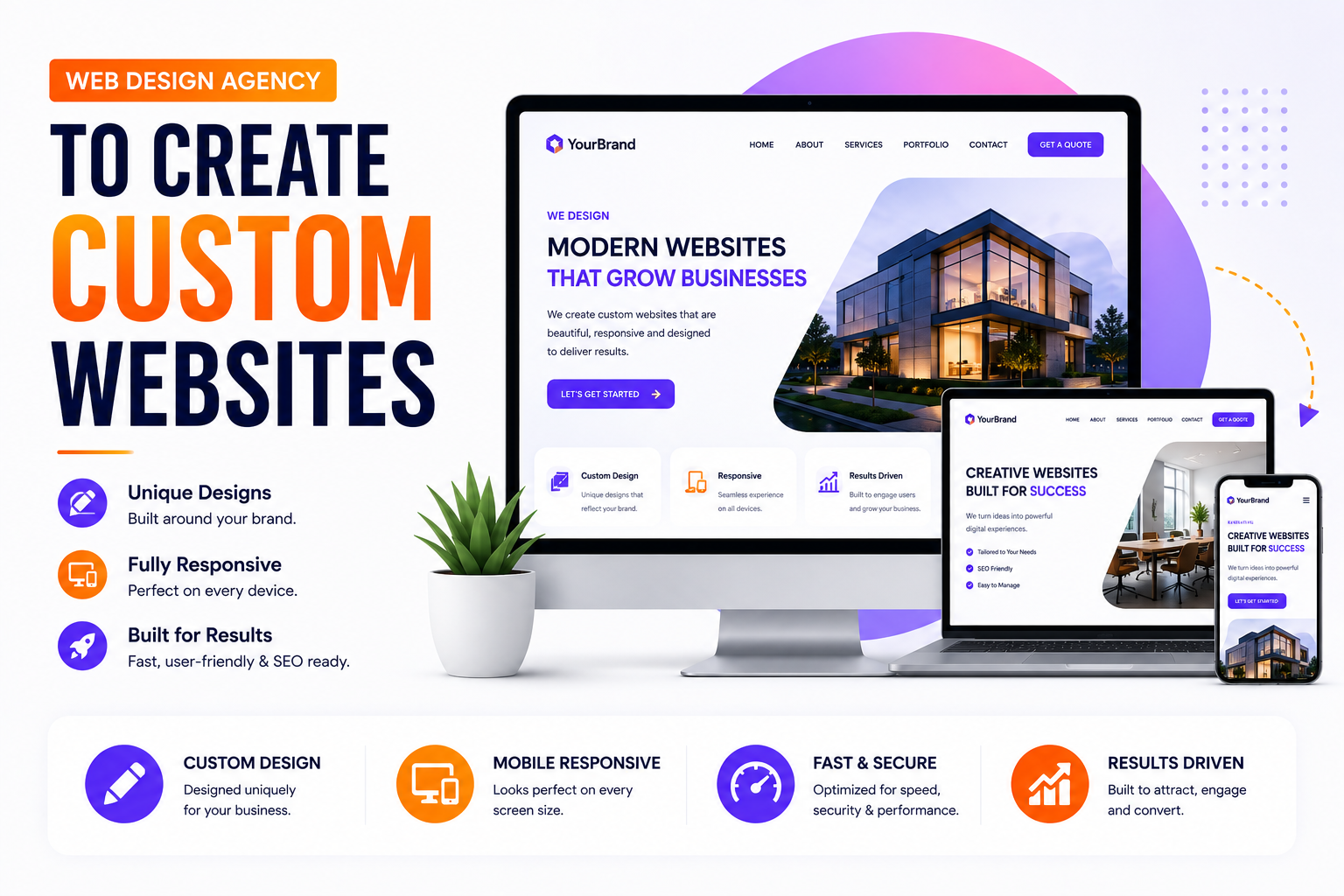
Signs You Have Outgrown a Template
The pattern is familiar. Publishing a simple update needs three plugins and a prayer. Staff keep a spreadsheet because the website cannot hold the data properly. The site slows down every time you add a feature. Your accountant asks why you pay for eleven subscriptions to run one website. Any of these is a sign the platform is working against you.
Why Australian Businesses Are Investing in Custom Platforms
Australian buyers research heavily before they contact anyone. If your site is slow or confusing, they move to a competitor without telling you. Google’s performance research shows how sharp that penalty is. The BBC found it lost an additional 10 percent of users for every extra second its pages took to load (web.dev). Bloated template sites carry code they never use, and that weight costs real enquiries.
There is also the compliance angle. Australian firms in finance, health and legal services need control over where data lives and who can publish what. A custom platform lets you enforce approval workflows and audit trails properly. We have seen agencies like DigiFix build these controls directly into the editor, so compliance stops being a manual checklist. You can get a quick platform assessment if you are unsure where your current setup stands.
Key Benefits of Custom CMS Development Services for Australian Businesses
The benefits fall into four groups. Speed and stability, because the platform carries only the code you need. Editor efficiency, because publishing screens match your content instead of fighting it. Integration depth, because the CMS talks to your CRM, booking system or inventory software natively. And ownership, because you control the roadmap rather than waiting on a vendor’s release schedule.
Performance deserves special mention. Google’s Core Web Vitals set a clear bar, with Largest Contentful Paint expected within 2.5 seconds (web.dev). Custom builds hit that bar far more easily because nothing unnecessary loads. Faster pages rank better and convert better, which is why the SEO team should be in the room during a rebuild.
| Factor | Template CMS | Custom CMS Build |
|---|---|---|
| Setup time | Days to weeks | 6 to 14 weeks typically |
| Editing workflow | Generic, plugin dependent | Built around your team |
| Page speed | Varies, often heavy | Lean, tuned for Core Web Vitals |
| Integrations | Limited to available plugins | Any system with an API |
| Long term cost | Rising subscription stack | Higher upfront, lower ongoing |
Swipe to scroll the table on mobile
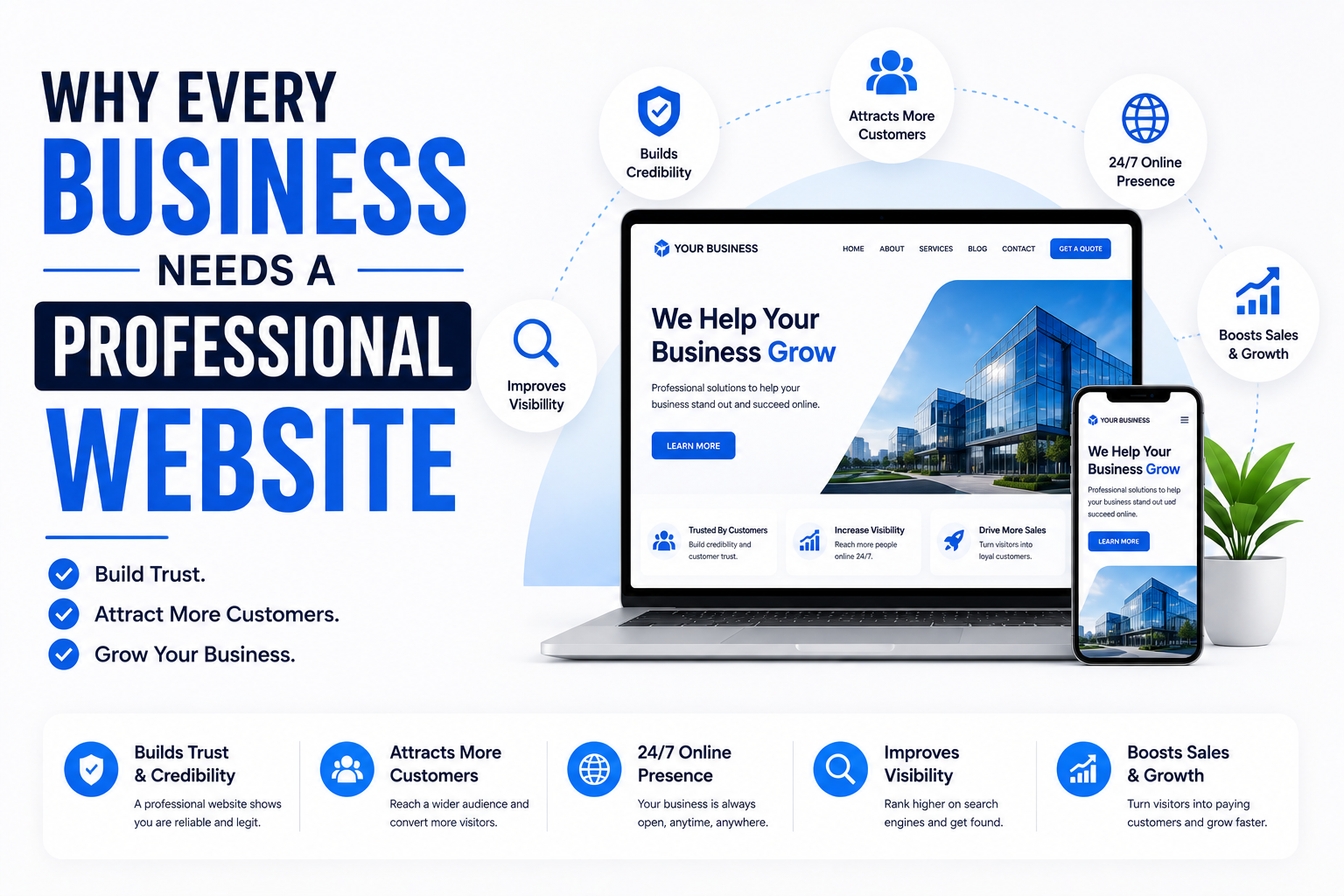
What a Professional CMS Build Actually Includes
A serious project is more than design and code. It should follow a structured path from discovery to handover, with your team involved at each stage. Here is the process most quality providers follow.
Discovery and architecture
Workshops map your content types, user roles, approval flows and every system the CMS must talk to.
Design and build
Front end design, editor screens and integrations are built and tested against real content, not lorem ipsum.
Launch and support
Migration, training, performance tuning and an agreed support plan so the platform keeps improving.
The three phases of a professional custom CMS project.
Is your CMS helping or hurting? Quick check.
Tick each statement that is true for your business, then see your score.
Want a platform roadmap without the jargon?
Bring your current site and your frustrations. Leave with a clear view of what to build, what to keep and what it should cost.
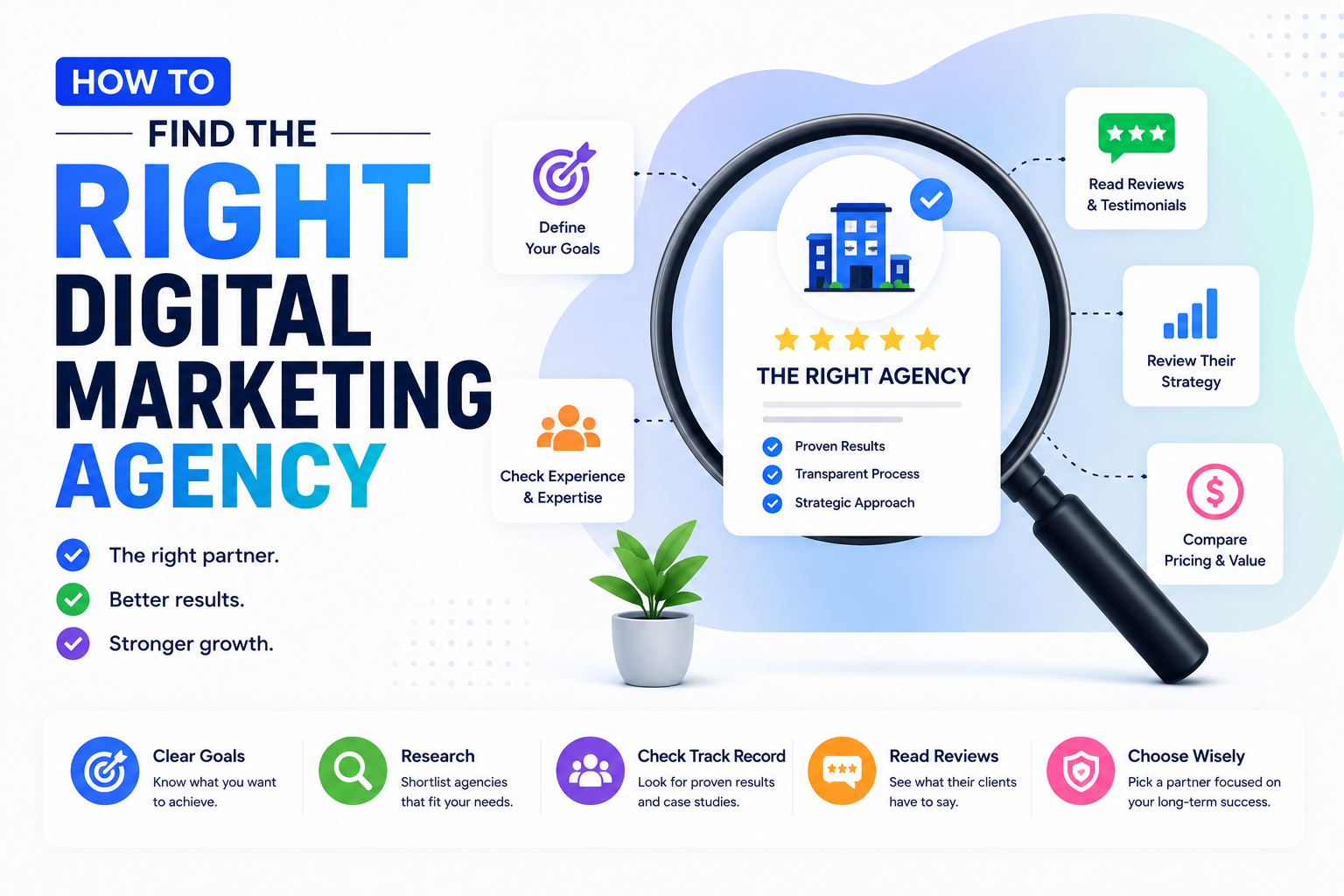
How to Choose a CMS Development Partner in Australia
Price quotes for the same brief can vary by tens of thousands of dollars. The difference usually sits in process, not padding. Ask every candidate the same questions and compare the answers honestly.
Questions That Reveal Quality
Ask who will actually write the code, and whether the work stays onshore. Ask to see the editor screens of a past build, not just the public site. Ask how they handle content migration and what happens to your SEO rankings during cutover. Ask what support costs after launch, in writing. A partner who answers plainly is worth more than one who dazzles and dodges.
Proof matters more than promises. Reviewing live projects, such as the 333 Collins Street case study in the DigiFix portfolio, shows you how a provider handles real world complexity. Local presence helps too. A Melbourne based team like DigiFix can sit with your staff during training rather than sending a video link from another time zone.
Red Flags to Avoid
Be wary of quotes with no discovery phase. Be wary of providers who cannot explain their hosting arrangements. And be very wary of anyone who says migration is trivial. Moving years of content, redirects and metadata safely is careful work. Rushing it is how businesses lose rankings they spent years earning.
Security, Hosting and Ownership
Security is one of the quiet advantages of custom CMS development. Template platforms are attacked constantly because one exploit works on millions of sites. A custom build presents a much smaller target. Your provider controls exactly what code runs, patches it on a schedule, and removes anything unused. For businesses handling client records or payment details, that reduced attack surface matters.
Hosting choices matter just as much. Australian audiences deserve Australian hosting, or at least a content delivery network with local edge nodes. Keeping data onshore also simplifies privacy compliance for many industries. Before signing anything, confirm who owns the code, the design files and the content. Reputable providers hand over full ownership. If a contract keeps the platform locked to the agency, treat that as a serious warning sign.
Ask about backups and recovery while you are at it. A good setup takes automatic daily backups and can restore your site within hours, not days. These details rarely appear in glossy proposals. They are precisely the details that separate a professional partner from a cheap one.
Making the Investment Pay Off
A custom platform earns its keep after launch, not on launch day. Set measurable targets before the build starts. Common ones include halving page load time, cutting publishing time per update, and lifting enquiry conversion rates. Review them quarterly with your web development partner and keep a small improvement budget aside.
Content strategy completes the picture. The best platform in the country cannot rescue thin content. Pair the new CMS with a publishing plan, and use resources like the DigiFix web development blog to keep your team sharp. Custom CMS Development Services for Australian Businesses deliver the machinery. Your content and offers still drive the results.
One final point on timing. Rebuild projects run best in quieter trading periods, because your team has capacity for feedback and training. Booking a scoping conversation two to three months before your quiet season gives you the best runway.
Ready to stop fighting your website?
Claim a free, no obligation consultation with our Melbourne team. We will review your current platform, flag the quick wins and map a realistic path to a CMS that works for you.