

A ringing phone at a medical clinic rarely waits politely. AI phone answering services in Melbourne for medical bookings exist for exactly that moment. A call during a consult or a lunch rush still turns into a confirmed appointment.
Key Takeaways
- Reception staff cannot answer every call while also managing patients at the counter.
- AI phone answering can book, reschedule and confirm appointments without putting a patient on hold.
- Customer service teams using AI have cut handling time by around 45 percent in reported case studies.
- Most CRM leaders say AI has helped reduce response times for customer requests.
- After hours and lunchtime calls no longer default to voicemail, which patients rarely use anyway.
- A free consultation can map out exactly how this would work for your clinic.
Melbourne clinics juggle a constant mix of walk ins, scheduled patients and phone calls. When the phone and the front counter compete for the same two staff members, the phone usually loses. AI phone answering services in Melbourne for medical bookings were built to close exactly that gap.
Curious how it would sound for your clinic?
We can walk you through a live example on a call. Book a free consultation and hear it for yourself.
Why Medical Clinics Lose Bookings Over the Phone
A patient calling to book usually wants one of three things. They want a new appointment, a reschedule, or a quick answer about opening hours. None of those should require sitting on hold for ten minutes.
Research from HubSpot’s customer service research found that 67 percent of consumers expect a support request resolved within three hours. A patient trying to book a same day appointment has even less patience than that. If the call goes unanswered, many will simply ring a competing clinic instead.
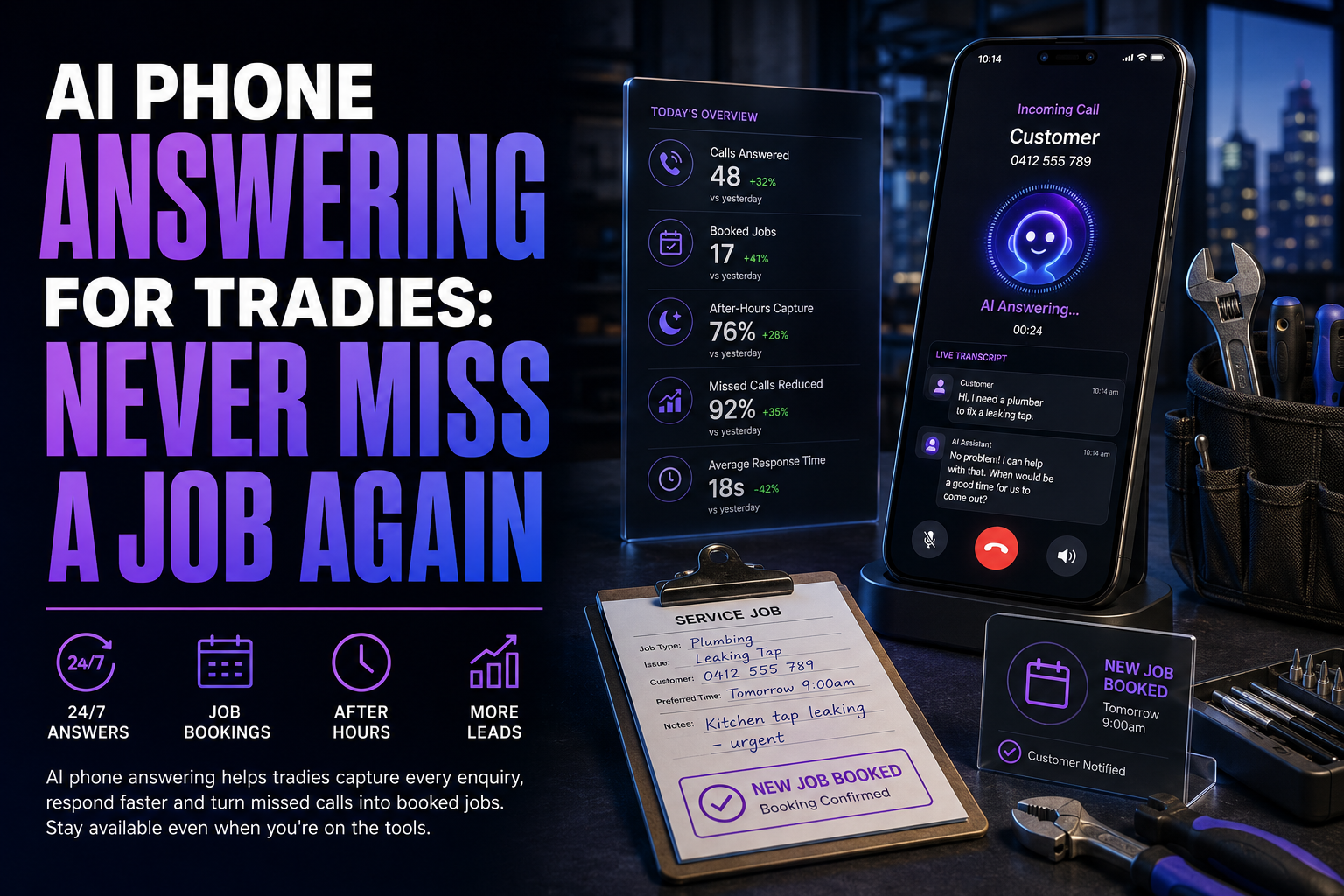
How AI Phone Answering Services in Melbourne for Medical Bookings Actually Work
The system answers every call in a natural voice, confirms what the patient needs and checks the clinic calendar in real time. It can book a new appointment, move an existing one, or take a message for the practice manager.
What the System Can and Cannot Do
It can book, reschedule, cancel and confirm appointments, answer basic questions about location and opening hours, and take detailed messages for staff. It cannot give clinical advice or make medical decisions on behalf of a practitioner.
That boundary is set deliberately. Any call that drifts into clinical territory is handed to a human, which keeps the system firmly in an administrative role rather than a medical one. Clinics decide where that line sits, and it can be adjusted at any time as the team learns what works for their patients.
Faster Handling Without Losing the Human Touch
HubSpot reports that customer service teams using AI have cut call handling time by roughly 45 percent. That time saving does not come from rushing patients. It comes from the system never needing to put anyone on hold while checking a diary.
The same research notes that 75 percent of CRM leaders say AI has helped reduce their customer service response times. For a clinic, that translates directly into shorter queues and fewer missed bookings during busy periods.
Covering the Hours Reception Cannot
Patients do not only call during business hours. Evening calls, early morning calls and weekend calls are common, especially for anxious or busy patients trying to lock in a slot before work. AI phone answering covers those hours without rostering anyone on.
| Call Scenario | Reception Only | With AI Phone Answering |
|---|---|---|
| Lunchtime call surge | Often goes to voicemail | Answered immediately, booking confirmed |
| After hours enquiry | Call drops to voicemail | Appointment booked overnight |
| Reschedule request | Patient placed on hold | Handled in under a minute |
| Busy front counter | Phone ignored until free | Call answered in parallel |
Swipe to scroll the table on mobile
The call is answered on the first ring, every time.
The patient’s need is understood and matched to an open slot.
The booking lands in the clinic calendar, no manual entry needed.
Three simple steps turn a missed call into a confirmed booking.
Is Your Clinic Losing Bookings to Missed Calls?
Tick what sounds like your clinic right now.
What Patients Actually Prefer
A YouGov survey cited in HubSpot’s report found 70 percent of American consumers used phones to contact support. Only 35 percent actually preferred phone over other channels. Patients call because it feels fastest, not because they enjoy waiting on hold.
The same report found 46 percent of consumers are more likely to use an AI system if they can escalate to a human when needed. A well built setup always leaves that door open for anything complex or sensitive.
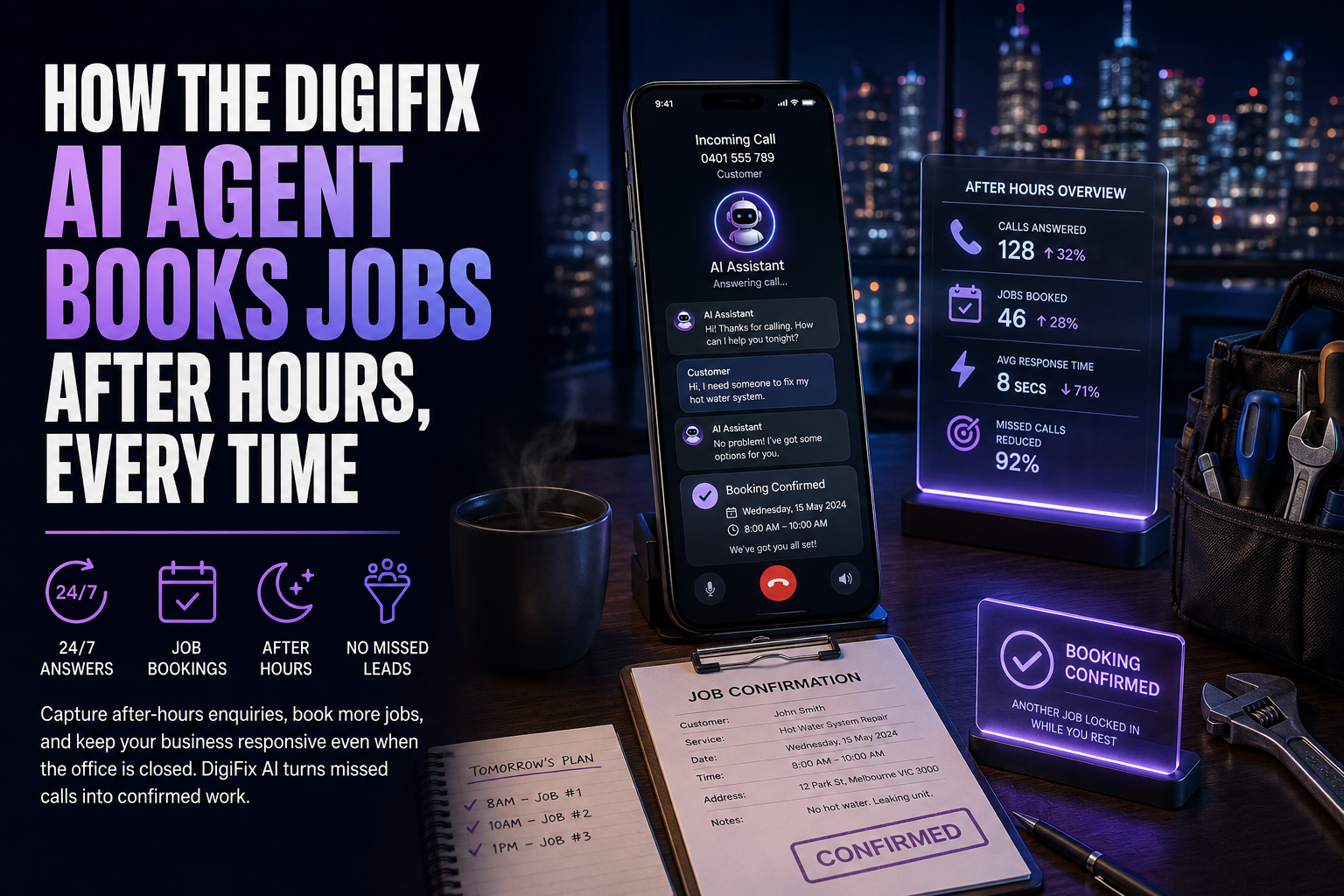
Where Human Staff Still Matter
Nobody is suggesting a clinic remove its reception team. The system handles routine bookings so staff can focus on patients standing in front of them, clinical queries and anything that genuinely needs a person.
Reception staff also become the escalation point rather than the first point of contact for every single call. That shift alone reduces a huge amount of daily pressure, especially at clinics running with a lean front desk team.
A Typical Call, Start to Finish
A patient calls wanting to move a Thursday appointment to the following Monday. The system greets them, confirms their name and current booking, then checks available Monday slots.
Once a time is agreed, the old slot is released and the new one is locked in. A confirmation message goes out by text straight after the call ends, so there is no confusion later.
The whole exchange usually takes under two minutes. No hold music, no transfer between staff members, and no risk of the request being forgotten once the call ends.
Want to see it handle a real booking scenario?
We will walk through exactly how it fits your clinic’s hours and software. Claim a free consultation to see it in action.
Which Melbourne Clinics Benefit Most
General practices with high call volumes see the fastest return. There are simply more booking requests coming through each day than two hands can manage. A single receptionist can only handle so many calls before patients start hanging up.
Dental practices often deal with a mix of routine checkups and urgent pain related calls. Routing urgent sounding calls straight to a human, while letting routine bookings flow through automatically, keeps both groups of patients satisfied.
Physiotherapy and allied health clinics tend to have patients booking recurring appointments. These repeat bookings get handled quickly, since the patient and their usual appointment type are already on file from last time.
Smaller single practitioner clinics benefit differently. Rather than replacing a receptionist, the system becomes the backup for the hours nobody is rostered on, which is often early mornings and evenings.
Setting It Up Without Disrupting Your Clinic
A proper rollout starts with mapping your current booking process, your software and your busiest call times. From there the system is trained on your services, your opening hours and your common patient questions.
Most Melbourne clinics run a short trial period alongside reception before switching fully. This gives staff confidence that bookings are landing correctly before relying on it day to day. This is part of the wider VOIP and phone systems work we handle for clinics across Melbourne.
Clinics with more than one location face an extra wrinkle, since each site may have different hours, different practitioners and different booking rules. The system can be configured per location so each site still feels personal to its own patients.
At DigiFix, we have set this up for clinics, tradies and small retail teams across Melbourne, and medical bookings consistently show the clearest return. Missed calls at a clinic usually mean a missed appointment slot, not just a missed sale.
Measuring Whether It Is Working
Track how many calls are answered versus missed before and after rollout. Also track how many bookings come in outside normal business hours, since that number is usually zero beforehand.
HubSpot’s research found 86 percent of service leaders using AI say it positively impacted customer satisfaction scores. For a clinic, that often shows up as fewer frustrated calls about delays and more patients booking without any friction.
Common Concerns Clinics Raise Before Switching
Practice managers often ask what happens if the system mishears a patient’s name or a Medicare detail. Calls can be flagged for quick staff review, and anything unclear is routed to a person rather than guessed at.
Another common concern is cost compared to simply hiring more reception hours. In most cases, the service costs less than even a few extra reception shifts each week. It also covers far more hours in return, including evenings and weekends.
Privacy is the third common question. Calls are handled under the same confidentiality expectations as any other patient contact, and access to call data should always sit with authorised staff only.
If missed calls are a known pain point for your practice, a free, no obligation consultation is the easiest way to see the real numbers.
Stop Losing Patients to Missed Calls
The consultation is completely free and there is no obligation. We will show you exactly how many calls your clinic is likely missing right now.