

AI phone answering for electricians in Melbourne solves a problem every sparky knows well. You are up a ladder, mid job, or driving between sites, and the phone keeps ringing out. Each unanswered call is a potential job, and often a genuine emergency, going to the next electrician in the search results instead.
Key Takeaways
- Electricians lose quotes and emergency callouts whenever a call goes unanswered on site.
- AI phone answering for electricians can triage urgent faults from routine quote requests instantly.
- Most customers still prefer calling a tradie directly over email or online forms.
- After hours coverage matters most for genuine electrical emergencies.
- A well tuned system books straightforward jobs without pulling you off the tools.
- A free consultation can show exactly how it would work for your electrical business.
Electrical work is unpredictable by nature. A switchboard fault at 7pm or a tripped circuit on a Sunday cannot wait until Monday morning, which puts constant pressure on electricians to be reachable at hours most trades simply switch off.
AI phone answering for electricians in Melbourne closes that gap without requiring you to carry two phones or hire someone just to man the office line.
Want to see how many calls your business might currently be missing while you’re on the tools?
Why Electricians Lose More Jobs to Missed Calls Than Other Trades
Electrical callers tend to fall into two very different groups. Some want a quote for future work, while others have a genuine fault that needs attention today. Both calls sound the same on a missed call list, which is exactly the problem.
HubSpot’s customer service research found that 70% of American consumers have used a phone call to contact a business, yet only 35% actually prefer phone over other channels. That gap suggests people call because it feels like the fastest option, and they expect a fast result in return.
If that expectation is not met, with the call ringing out or landing in a generic voicemail, the customer simply searches again and calls someone else within minutes.
This pattern shows up clearly in online reviews too. A surprising number of negative reviews for trade businesses mention being unable to get through on the phone, rather than anything about the actual electrical work itself.
That is a frustrating outcome for a skilled electrician to deal with, since the quality of the actual work was never the issue. The phone experience simply let the business down before the job even started.
Emergency Calls Change the Equation
A blown fuse board or exposed wiring is not something a customer will wait on. If the first electrician they call does not answer, they move straight to the next listing, often within two or three minutes.
This is different to most other trades. A customer waiting on a quote for new downlights will happily wait a day for a callback, but a customer with no power to their fridge or hot water system will not wait at all.
That difference in urgency is exactly why a one size fits all answering approach rarely works well for electrical businesses, and why the triage step matters so much more here than for many other services.
How AI Phone Answering Handles an Electrician’s Call Mix
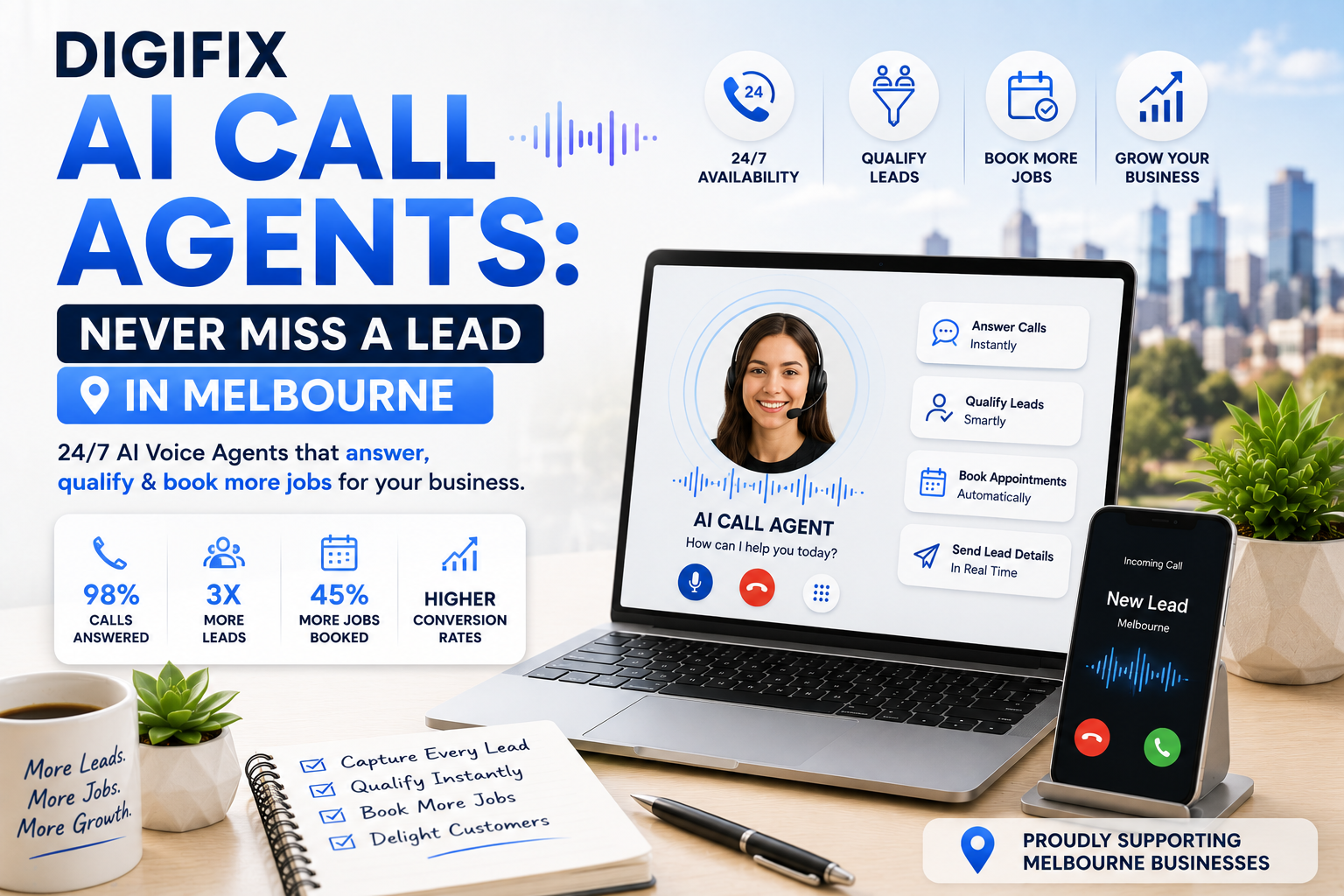
The system answers every call immediately and asks a few targeted questions. Is this urgent? Is there a safety risk? Is power currently out? Those answers decide what happens next.
A routine quote request gets logged with the customer’s details and the type of job, ready for you to call back once you are off the tools. A genuine emergency gets routed straight through or flagged with high priority, so it never sits waiting in a queue of less urgent messages.
DigiFix configures this triage logic as part of every VOIP setup, tailored to the specific services an electrical business actually offers.
It also captures the address, a brief description of the fault and a callback number automatically, so when you do call back you already have everything needed to give an accurate quote or arrival time.
For electricians who also handle compliance work, such as safety switch testing or smoke alarm checks, the system can log those requests separately too, which keeps routine compliance jobs from getting mixed up with urgent fault calls.
Many electricians also juggle residential and commercial clients, each with different expectations. The system can be configured to handle both differently, since a commercial client reporting a fault often needs a different response speed to a homeowner with a minor issue.
| Call Scenario | Urgency | AI Action | Outcome |
|---|---|---|---|
| New switchboard quote | Low | Logs details for callback | Quote scheduled |
| Power outage at property | High | Routes immediately | Fast callout |
| General pricing question | Low | Answers directly | Enquiry retained |
| Exposed wiring report | High | Flags as safety priority | Immediate attention |
Swipe to scroll the table on mobile
Setting Up a System That Actually Suits Electrical Work
A generic script built for a cafe or salon will not ask the right questions for an electrician. The setup needs to reflect the specific risks and jobs your business actually handles.
We start by mapping your common call types, from routine maintenance through to genuine safety emergencies, then build the triage questions around those real scenarios. If you want to talk through what that would look like for your business, a short conversation is the easiest way to find out.
We also set clear after hours rules, since an electrician’s definition of urgent is different at 2am than it is at 2pm. A no power call overnight deserves different handling to a quote request that can wait until the morning.
We also account for licensing and insurance questions, which electricians get asked more often than most trades. Having clear, pre written answers ready for those common questions saves time on every single call.
Seasonal patterns matter too. Storm season tends to bring a spike in urgent calls, while quieter months lean more towards planned upgrade and renovation work, and the system can be adjusted to reflect that shift.
This simple flow keeps genuine emergencies moving fast while routine quotes wait safely in your queue.
Curious whether AI phone answering fits an electrical business like yours?
What a Missed Emergency Callout Actually Costs
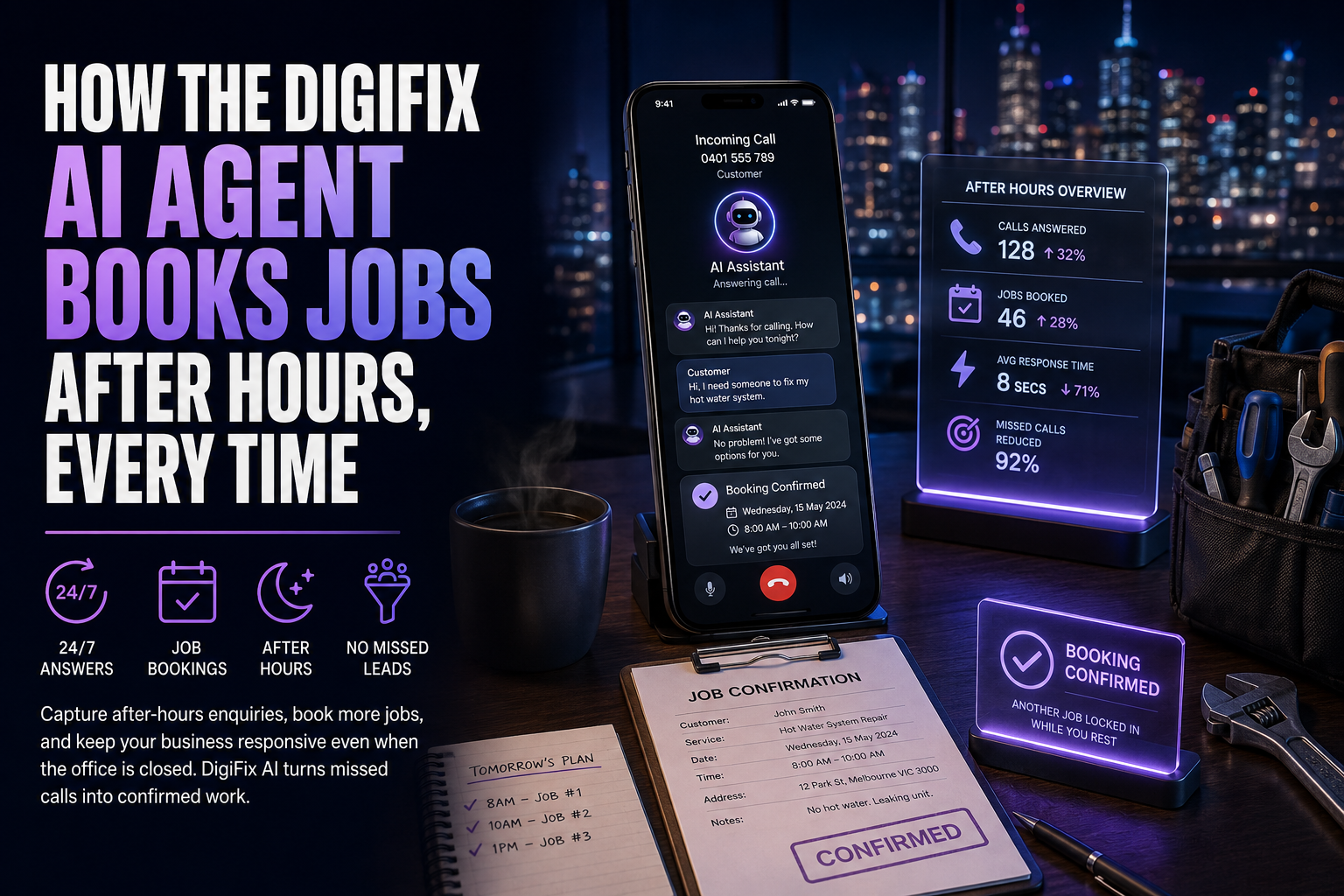
A single emergency callout can be worth several hundred dollars, often more after hours. Losing even a handful of these a month adds up quickly for a small electrical business.
HubSpot’s research also found that 92% of customer service leaders say AI has improved how quickly their business responds to customers. For a trade where speed often decides who gets the job, that improvement translates directly into revenue.
As part of our wider digital marketing services, we track how many calls the system captures each month, so you can see the direct impact on your bookings.
We have seen similar systems make a measurable difference for other trade and service businesses, including the setup detailed in our Melbourne Refrigeration and Catering Equipment case study.
That business faced a similar pattern of urgent, time sensitive calls mixed in with routine enquiries, and the same triage approach applied there translates well to electrical work, where speed and accuracy both matter on every call.
The lesson carries across trades generally. Whatever the specific service, a business that answers quickly and asks the right first question tends to win more of the jobs worth having.
Is Your Electrical Business Losing Callouts?
Tick anything that sounds familiar from the last month.
Common Questions Electricians Ask Before Switching
Many electricians worry a machine cannot judge urgency the way a person can. In practice, a short set of clear triage questions handles this reliably, since the risk factors for electrical faults are fairly consistent.
Others worry about sounding less personal than answering the phone themselves. A properly tuned system still reflects your business’s own tone, and most regular customers barely notice the difference for a simple booking.
DigiFix has set this up for electricians and other trades across Melbourne. You can read more about our approach on the About page, or browse more examples on the AI blog.
A properly configured system also keeps working during busy stretches when you simply cannot physically answer the phone, which is often when the most valuable jobs come through.
Reviewing the call log weekly, at least in the first month, helps fine tune the triage questions so they match exactly how your business actually operates day to day.
Some electricians also worry about handing over too much control to an automated system. In practice, you still decide every rule it follows, from what counts as urgent through to exactly who gets notified and how quickly.
The system is a tool that enforces your own judgement consistently, even when you are physically unable to pick up the phone yourself. It does not replace the decisions you would make, it simply makes sure those decisions get applied every single time.
Over a few months, the collected data also tends to reveal patterns, such as which suburbs call most often or which fault types come up repeatedly, which can shape where you focus future marketing.
That same data can highlight which services bring in the most profitable work, helping you decide where to focus advertising spend or which skills are worth building out further within the business.
For a one person or small team electrical business, this kind of visibility is usually impossible to get without a system quietly keeping track of every call in the background.
It also removes a layer of mental load that many tradies carry without realising it, the constant low level worry about what call might be waiting once you finally get a moment to check your phone.
That peace of mind alone, separate from the extra bookings, is a reason plenty of Melbourne electricians have already made the switch.

Never Miss Another Callout
Claim a free, no obligation consultation and we will show you exactly how AI phone answering would work for your electrical business.