
Plenty of business owners assume a tailored website platform is a big company luxury. Affordable Custom CMS Solutions for Australian Businesses prove otherwise. With smart scoping and phased delivery, a platform built around your business can cost less over three years than a stack of subscriptions and plugins.
Key Takeaways
- Affordable does not mean cheap. It means paying only for the features your business actually uses.
- Phased builds spread cost. Launch a lean core first, then add features as revenue justifies them.
- Total cost of ownership beats sticker price. Count subscriptions, plugins, developer callouts and lost enquiries, not just the build quote.
- Design quality pays. HubSpot reports 38 percent of visitors stop engaging with a site when the layout is unattractive.
- Mobile first is non negotiable, with around 70 percent of internet traffic now coming from mobile devices.
The price gap between template sites and custom platforms has narrowed sharply. Reusable frameworks, open source foundations and better tooling have cut build times. That is why Affordable Custom CMS Solutions for Australian Businesses are now within reach of sole traders, clinics, trades and growing retailers. This guide explains where the money goes, where you can safely save, and where cutting corners will cost you more later. By the end you will know how to brief a developer with confidence and compare quotes properly.
Want a realistic number for your project?
Fifteen minutes with a local specialist beats a week of guessing. Get an honest range based on your actual requirements.
What Makes a Custom CMS Affordable?
Affordability comes from scoping discipline, not discount labour. A good developer starts by asking what your site must do in year one, and parks everything else. Most businesses need far less than they think at launch. A clean content structure, fast pages, simple editing screens and one or two integrations cover the vast majority of early needs.
Open source foundations do the heavy lifting. Building on a proven engine means you pay for tailoring, not for reinventing login screens. The savings are real and they compound. Every feature you skip at launch is also a feature you never maintain, patch or debug.
The Phased Build Approach
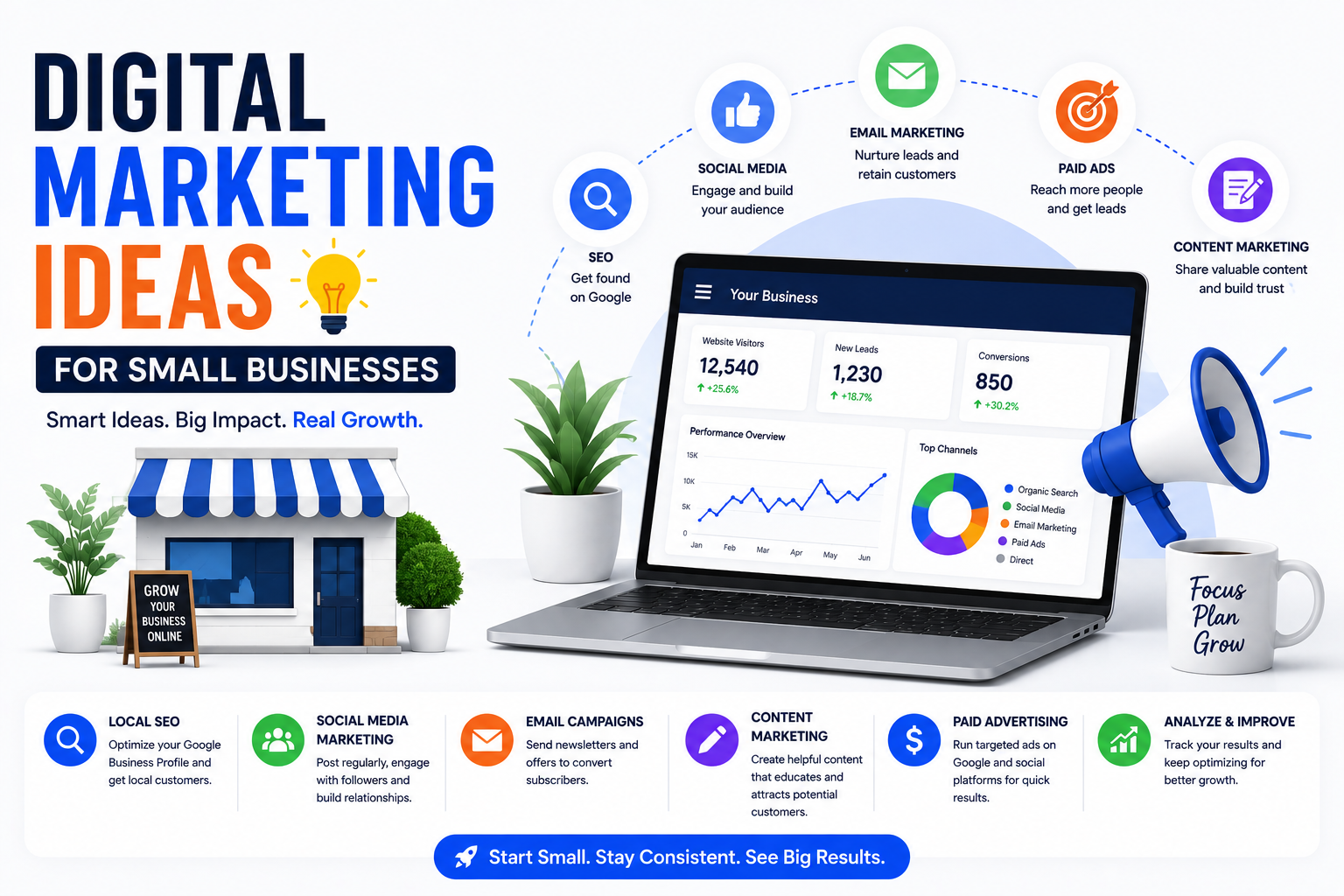
Phase one launches the lean core. Phase two adds features once the site is earning. Booking engines, member areas, multi location pages and advanced automation can all wait until data proves the need. This approach protects cash flow and produces better software, because later phases are informed by real user behaviour rather than guesses.
The True Cost of Staying on a Cheap Platform
A cheap template feels affordable until you count everything around it. Monthly plugin fees stack up. Developer callouts to fix conflicts add more. Then there is the invisible cost of lost visitors. HubSpot’s research found 38 percent of people will stop engaging with a website if the content or layout is unattractive (source). A slow, cluttered site quietly taxes every marketing dollar you spend driving traffic to it.
Mobile performance raises the stakes further. Around 70 percent of internet traffic now comes from mobile devices (HubSpot). Template sites loaded with unused scripts struggle on phones. Custom builds strip that weight out, which is how they meet Google’s Core Web Vitals target of loading main content within 2.5 seconds (web.dev). If you want to know what your current site is really costing you, book a quick site cost review and find out.
Comparing Your Options: Where the Dollars Go
The table below compares the three common paths over a three year horizon. Numbers are indicative ranges for a typical small Australian business site, not quotes. Your scope will move them, which is exactly why scoping comes first.
| Cost factor | DIY template | Plugin heavy build | Phased custom CMS |
|---|---|---|---|
| Upfront cost | Low | Moderate | Moderate, staged |
| Ongoing subscriptions | Rising each year | High, many plugins | Low, minimal stack |
| Fix and patch costs | Your own time | Frequent callouts | Covered by support plan |
| Speed and conversions | Unpredictable | Often poor | Tuned and measured |
| Three year outlook | Cheap but limiting | Often dearest overall | Best value if scoped well |
Swipe to scroll the table on mobile
Three Ways to Keep a Custom Build Affordable
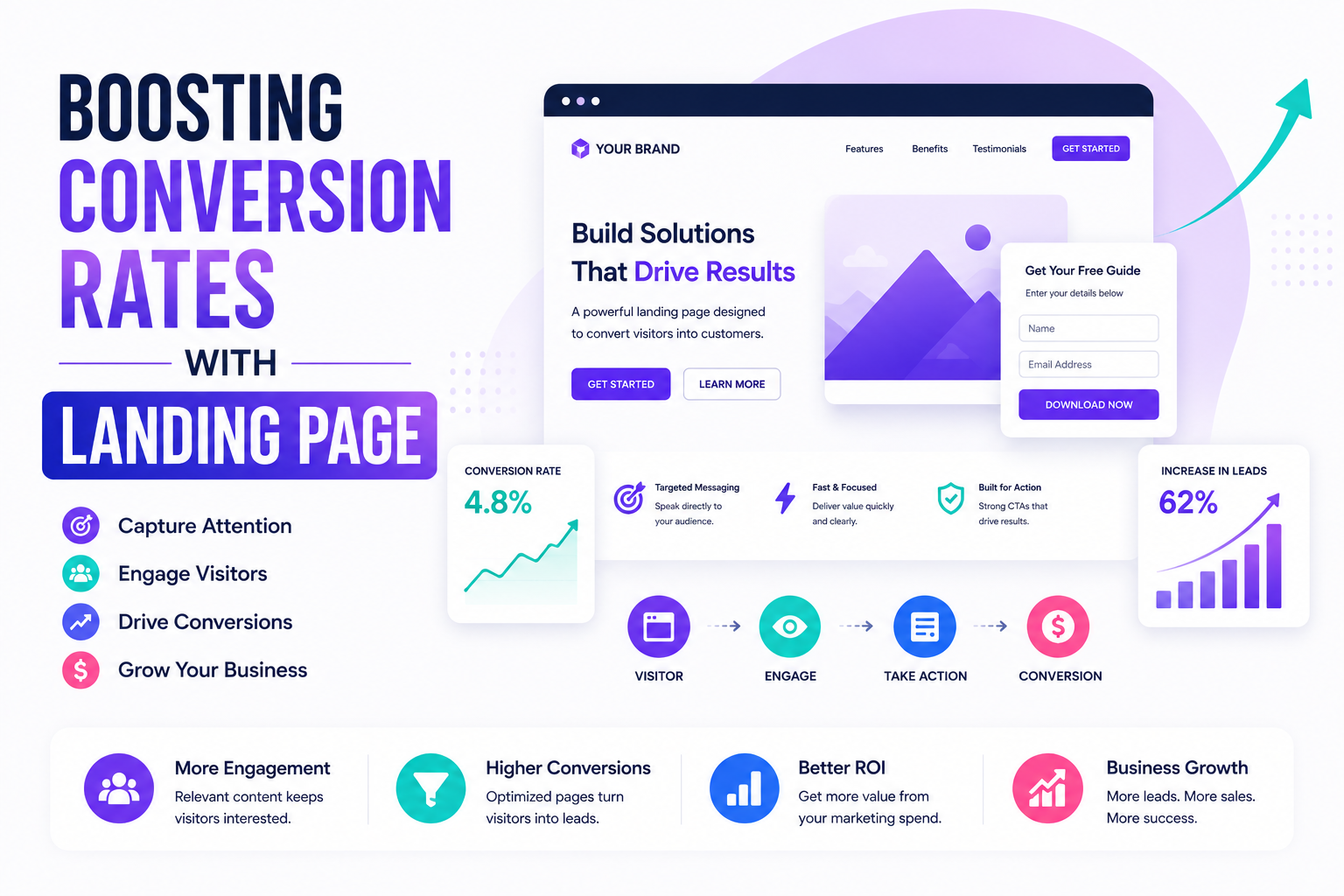
You control more of the budget than you might expect. These three levers make the biggest difference to the final invoice.
Ruthless scoping
List every wanted feature, then cut anything that does not serve a year one goal. Park it for phase two.
Prepared content
Supplying your text, images and product data on time removes the most common cause of budget blowouts.
Proven foundations
Build custom features on an open source engine rather than from scratch. Pay for tailoring, not plumbing.
Three budget levers that keep custom CMS projects affordable.
Are you ready for an affordable custom build?
Tick the statements that apply to you, then check your readiness score.
Get a phased plan that fits your budget
Tell us your goals and your ceiling. We will show you what phase one should include, what can wait, and what it all costs.
Affordable Custom CMS Solutions for Australian Businesses in Practice
What does this look like in the real world? A trades business might launch with a fast five page site, a quote request form and a job gallery the owner updates from a phone. A clinic might start with service pages, practitioner profiles and an integration to its existing booking system. A retailer might begin with a tight product catalogue and add customer accounts in phase two.
Local examples help ground the idea. The DigiFix portfolio includes builds like the Melbourne Refrigeration and Catering Equipment case study and the PF Advisors case study, which show how differently scoped projects serve different budgets. The pattern across both is the same. Start lean, measure, then invest where the data points.
Ongoing costs stay predictable with a simple support plan. A modest monthly fee typically covers hosting, backups, security patches and small improvements. Compare that with the plugin subscriptions and emergency fixes of a template stack, and the custom route often wins on pure arithmetic. Teams like DigiFix in Melbourne publish their process openly, which makes comparing providers easier.
Where Not to Cut Corners
Some savings are false economies. Never skimp on mobile performance, because that is where most of your visitors are. Never skip the redirect plan during migration, because lost rankings cost far more than the hours saved. And never cut training, because a platform your team cannot drive delivers no value at all.
Security sits in the same category. Backups, software patches and secure forms are not optional extras on a business website. They protect your customers and your reputation. The good news is that a lean custom build makes these basics cheaper to maintain, because there are simply fewer moving parts to secure. Ask every provider to spell out exactly what their security baseline covers before you compare prices.
Accessibility and basic SEO belong in every build, not in a premium tier. Clean headings, descriptive links, fast pages and readable contrast are foundations. If a quote treats them as extras, keep looking. The web development services page outlines what a complete baseline should include, and the web development blog covers these fundamentals in more depth.
Understanding the Ongoing Running Costs
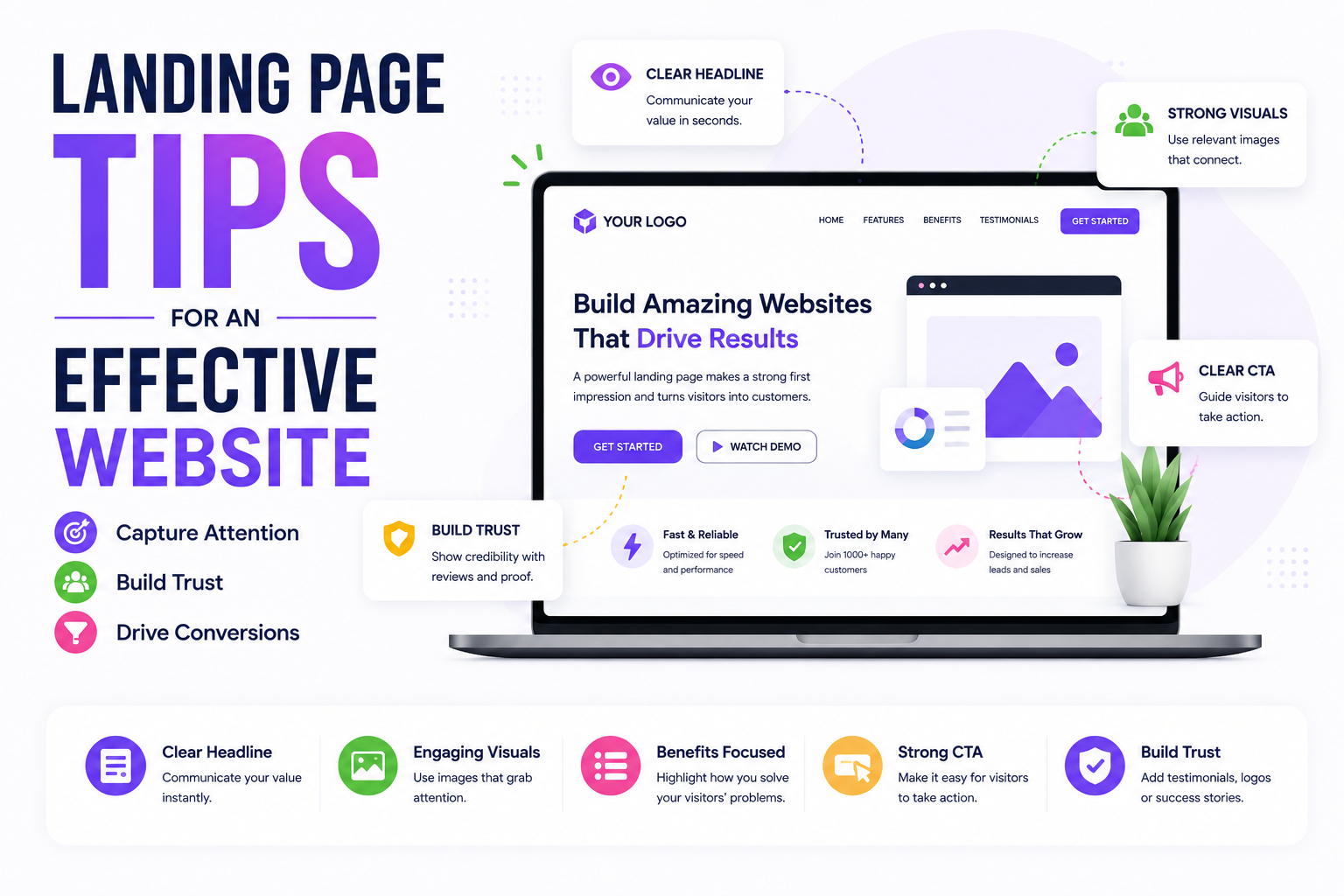
The build price is only half the picture. Every website carries running costs, and comparing them honestly is where custom platforms shine. Budget for four items. Hosting, which for a lean custom site is usually modest. A support plan covering patches, backups and monitoring. A small improvement allowance for tweaks and new content blocks. And your domain and email, which stay the same on any platform.
Now list what a template stack costs across the same period. Platform subscription, premium theme renewals, page builder licence, form plugin, SEO plugin, backup plugin, security plugin and the occasional emergency developer callout. Written side by side, the totals often surprise people. The custom route trades many small unpredictable bills for one predictable plan.
Budgeting Tips That Keep Owners in Control
Set an annual website budget the same way you budget for insurance or rent. Review it each quarter against actual spend. Ask your provider for a fixed price on routine work and a clear hourly rate for anything outside it. Keep ten percent aside for opportunities, such as a landing page for a seasonal campaign. Small, steady investment beats occasional expensive rescues every time.
How to Brief a Developer and Compare Quotes
A one page brief saves thousands. State your business goals, your must have features, your integrations and your budget range. Ask each provider to quote against the same brief, split into phases. Then compare like with like. A quote missing discovery, migration or training is not cheaper. It is incomplete.
Ask about ownership too. You should own your code, your content and your data outright. Affordable Custom CMS Solutions for Australian Businesses only stay affordable if you can change providers without starting again. Any lock in clause deserves a hard question before you sign.
Let’s find the budget friendly path for your site
Claim a free, no obligation consultation. We will scope a phase one that fits your budget, flag the false economies to avoid, and give you a number you can plan around.